
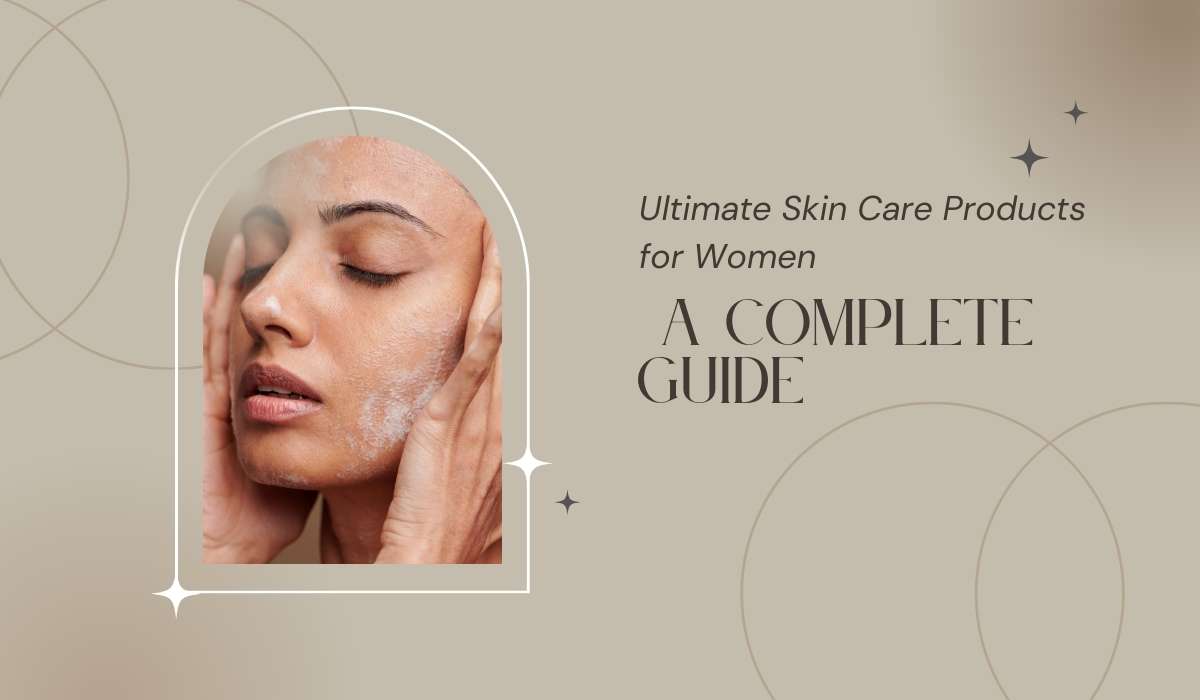
Understanding your skin type is essential for developing an effective skincare routine. There are five primary skin types: normal, dry, oily, combination, and sensitive. Normal skin is characterized by a balanced complexion with small pores and minimal imperfections.
Dry skin often feels tight and may appear flaky or rough. Oily skin typically has enlarged pores, a shiny appearance, and is prone to acne. Combination skin features both oily and dry areas, with an oily T-zone (forehead, nose, and chin) and dry cheeks.
Sensitive skin is susceptible to redness, itching, and irritation. Identifying your skin type enables you to select products specifically formulated for your skin’s needs. For instance, individuals with oily skin may benefit from oil-free cleansers and lightweight moisturizers, while those with dry skin may require creamy cleansers and rich, hydrating moisturizers.
By understanding your skin type, you can choose appropriate products to maintain healthy and balanced skin. Recognizing your skin type is crucial for creating a skincare routine that addresses your specific concerns. This knowledge allows you to make informed decisions about product selection, resulting in a more effective and satisfying skincare regimen.
By tailoring your routine to your skin type, you can ensure that your skin receives the care it needs to remain healthy and radiant.
When choosing a cleanser, it’s important to consider your skin type. For oily or acne-prone skin, a foaming or gel cleanser can help to remove excess oil and impurities. Dry or sensitive skin may benefit from a gentle, hydrating cleanser that won’t strip away natural oils.
Exfoliating products come in two main types: physical exfoliants, which use abrasive particles to manually scrub away dead skin cells, and chemical exfoliants, which use acids like alpha hydroxy acids (AHAs) or beta hydroxy acids (BHAs) to dissolve dead skin cells. Physical exfoliants can be harsh on the skin if used too aggressively, so it’s important to use them with a gentle hand. Chemical exfoliants can be gentler and more effective for some skin types, but they should still be used with caution to avoid over-exfoliation.
Cleansing and exfoliating are crucial steps in maintaining healthy, radiant skin. By choosing the right products for your skin type and using them correctly, you can ensure that your skin is clean and free of impurities, while also promoting cell turnover and a more even skin tone.
Moisturizers and serums are key components of any skincare routine, providing hydration and targeted treatment for specific skin concerns. Moisturizers help to lock in moisture and prevent water loss from the skin, keeping it soft and supple. There are different types of moisturizers available, including creams, lotions, gels, and oils.
Creams are thicker and more hydrating, making them ideal for dry or mature skin. Lotions are lighter and may be better suited for normal or combination skin. Gels are lightweight and non-greasy, making them suitable for oily or acne-prone skin.
Oils can be used on their own or mixed with other products to provide intense hydration. Serums are lightweight, fast-absorbing liquids that contain high concentrations of active ingredients targeted at specific skincare concerns. There are serums available for a wide range of issues, including fine lines and wrinkles, dark spots, acne, and dehydration.
When choosing a serum, it’s important to consider your specific skincare needs and look for ingredients that will address those concerns. For example, if you have dry skin, you may want to look for a serum containing hyaluronic acid to boost hydration. If you have hyperpigmentation, a serum with vitamin C or niacinamide may help to even out your skin tone.
Moisturizers and serums play a crucial role in maintaining healthy, youthful-looking skin. By choosing products that are tailored to your specific needs and using them consistently, you can keep your skin hydrated and address any concerns you may have.
| Product | SPF | Water Resistance | UV Protection |
|---|---|---|---|
| Sunscreen A | 30 | 80 minutes | Broad spectrum |
| Sunscreen B | 50 | 60 minutes | UVA/UVB protection |
| Sunscreen C | 15 | 40 minutes | Water resistant |
Sunscreen is one of the most important products in any skincare routine, as it helps to protect the skin from the damaging effects of UV radiation. UV rays can cause premature aging, sunburn, and an increased risk of skin cancer, making it essential to use sunscreen every day, even on cloudy or overcast days. When choosing a sunscreen, it’s important to look for a broad-spectrum formula that protects against both UVA and UVB rays.
UVA rays can cause long-term damage to the skin, while UVB rays are responsible for sunburn. There are two main types of sunscreen: chemical sunscreens, which work by absorbing UV rays and converting them into heat, and physical sunscreens, which work by reflecting UV rays away from the skin. Chemical sunscreens are often lighter in texture and easier to apply without leaving a white cast on the skin.
Physical sunscreens can be thicker and may leave a white residue, but they are less likely to cause irritation for those with sensitive skin. Regardless of the type of sunscreen you choose, it’s important to apply it generously and reapply it every two hours when spending time outdoors. In addition to using sunscreen, it’s important to seek shade during peak sun hours, wear protective clothing like hats and sunglasses, and avoid tanning beds.
By taking these precautions and using sunscreen consistently, you can help to protect your skin from the harmful effects of UV radiation.
In addition to a basic skincare routine consisting of cleansing, moisturizing, and sun protection, targeted treatments can be used to address specific skincare concerns. These treatments come in various forms such as masks, spot treatments, and specialized serums or creams designed to target specific issues like acne, hyperpigmentation, or aging. For acne-prone skin, treatments containing ingredients like salicylic acid or benzoyl peroxide can help to reduce breakouts and prevent future blemishes.
For those dealing with hyperpigmentation or dark spots, products containing ingredients like vitamin C or niacinamide can help to brighten the complexion and even out skin tone. Anti-aging treatments often contain ingredients like retinoids or peptides that can help to reduce the appearance of fine lines and wrinkles. It’s important to use targeted treatments as directed and to introduce them gradually into your skincare routine to avoid irritation or sensitivity.
By incorporating these treatments into your routine as needed, you can address specific concerns and achieve healthier, more radiant-looking skin.
Tinted moisturizers are a popular example of makeup-skincare hybrids, providing lightweight coverage while delivering hydration to the skin. BB creams and CC creams are similar products that offer additional benefits like SPF protection or color correction for issues like redness or dullness. Some foundations also contain skincare ingredients that claim to improve the overall health of the skin with regular use.
When using makeup-skincare hybrid products, it’s essential to consider your specific skincare needs and choose products that will complement your routine rather than potentially causing irritation or clogged pores. By selecting products that cater to your skin type and concerns, you can ensure a harmonious blend of makeup and skincare.
By incorporating these products into your routine strategically, you can enjoy the benefits of both makeup and skincare in one step. This can simplify your daily beauty routine, save time, and provide an overall healthier and more radiant complexion.
Holistic and natural skincare options have gained popularity as more people seek out clean beauty products that are free from potentially harmful ingredients like parabens, sulfates, and synthetic fragrances. These products often contain natural ingredients like botanical extracts, essential oils, and plant-based actives that are believed to be gentler on the skin while still providing effective results. Holistic skincare also encompasses practices like facial massage, gua sha, or lymphatic drainage techniques that aim to improve circulation and promote overall skin health.
These practices are often used in conjunction with natural skincare products to enhance their benefits. When choosing holistic or natural skincare options, it’s important to research the ingredients used in these products and consider any potential sensitivities or allergies you may have. While natural ingredients can be beneficial for many people, they can still cause reactions in some individuals.
By incorporating holistic practices into your routine alongside natural skincare products that work for your specific needs, you can achieve healthy, glowing skin while also supporting clean beauty practices. In conclusion, understanding your skin type is crucial for building an effective skincare routine that addresses your specific needs. By choosing the right cleansing and exfoliating products for your skin type, you can maintain a clean and clear complexion while promoting cell turnover for a brighter appearance.
Moisturizers and serums provide hydration and targeted treatment for specific concerns like fine lines or hyperpigmentation. Sunscreen is essential for protecting the skin from UV radiation while targeted treatments can address issues like acne or aging. Makeup-skincare hybrid products offer the benefits of both makeup and skincare in one step while holistic and natural skincare options provide clean beauty alternatives with natural ingredients and holistic practices.
By incorporating these elements into your skincare routine thoughtfully and consistently, you can achieve healthy, radiant-looking skin that looks and feels its best.
If you’re looking for lifestyle tips for optimal health, you might be interested in this article on empowering women with advice on maintaining a healthy lifestyle. Taking care of your skin is an important aspect of overall health, and this article provides valuable insights on how to achieve optimal health as a woman.


Leave A Comment