
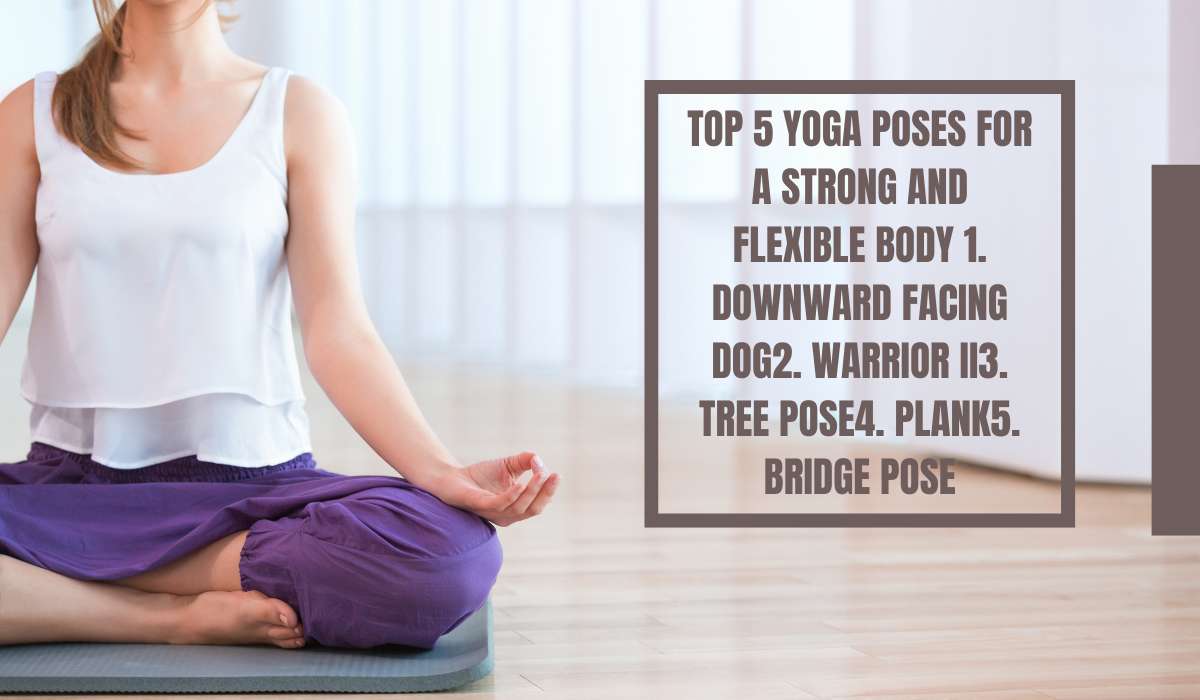
Downward Facing Dog, or Adho Mukha Svanasana in Sanskrit, is a fundamental yoga pose often included in sun salutation sequences. This pose simultaneously stretches and strengthens the entire body, making it suitable for practitioners of all levels. To perform Downward Facing Dog, begin on hands and knees, aligning wrists under shoulders and knees under hips.
Tuck the toes under, lift the hips upward and backward, and straighten the arms and legs to form an inverted V shape. Press the hands firmly into the mat and engage the core to elongate the spine and release tension in the neck and shoulders. Maintain the pose for several breaths, focusing on deepening the stretch in the hamstrings and calves while maintaining steady breathing.
This versatile pose offers numerous physical and mental benefits. It lengthens and strengthens muscles in the arms, shoulders, back, and legs, providing a comprehensive full-body workout. Downward Facing Dog improves circulation and digestion, alleviates spinal tension, and may help reduce symptoms of mild depression and anxiety.
The pose is particularly effective for building upper body strength and increasing flexibility in the hamstrings and calves. Mentally, it promotes calmness and stress reduction, contributing to overall well-being. Downward Facing Dog’s diverse benefits make it a valuable addition to any yoga practice, regardless of one’s fitness goals or experience level.
To practice Warrior II, start in a standing position with your feet about 3-4 feet apart. Turn your right foot out 90 degrees and bend your right knee to align it with your ankle, keeping your left leg straight and strong. Extend your arms out to the sides at shoulder height, with your gaze focused over your right fingertips. Sink down into the pose, engaging your core and pressing firmly into the outer edge of your back foot.
Warrior II is a dynamic pose that offers a wide range of physical and mental benefits. This pose helps to build strength and endurance in the legs, while also opening the hips and chest to improve flexibility and posture. It also engages the core muscles to promote stability and balance, making it an effective pose for improving overall body awareness. Additionally, Warrior II can help to cultivate a sense of confidence and determination, as it encourages practitioners to embody the qualities of a warrior both on and off the mat.
This pose is also known for its ability to improve concentration and focus, making it a valuable tool for reducing stress and anxiety. Whether you’re looking to build physical strength or cultivate mental resilience, Warrior II is a pose that can help you tap into your inner warrior spirit. By practicing Warrior II, you can embody the strength, courage, and determination of the warrior, both on and off the mat.
Tree Pose, or Vrksasana in Sanskrit, is a balancing pose that is often practiced to improve focus, stability, and posture. This pose is named after the graceful and steady nature of a tree, symbolizing rootedness and growth. To practice Tree Pose, start in a standing position with your feet hip-width apart and your arms at your sides.
Shift your weight onto your left foot and lift your right foot off the ground, placing the sole of your right foot on the inner left thigh or calf (avoid placing it directly on the knee). Bring your hands together at heart center or extend them overhead like branches reaching towards the sky. Find a focal point to gaze at and engage your core to maintain balance as you ground down through your standing leg.
Hold the pose for several breaths, feeling a sense of stability and strength radiating through your body as you embody the grace of a tree. Tree Pose offers a wide range of physical and mental benefits that make it a valuable addition to any yoga practice. Physically, this pose helps to improve balance and stability by strengthening the muscles in the feet, ankles, and legs.
It also opens the hips and stretches the inner thighs, while engaging the core to promote better posture and alignment. Mentally, Tree Pose can help to improve focus and concentration by requiring practitioners to find stillness and presence in the midst of movement. This pose also encourages a sense of groundedness and connection to the earth, making it a valuable tool for reducing stress and anxiety.
Whether you’re looking to improve your physical balance or cultivate mental stability, Tree Pose is a pose that can help you find your center amidst life’s challenges.
| Plank Variations | Difficulty Level |
|---|---|
| Standard Plank | Intermediate |
| Side Plank | Intermediate |
| Reverse Plank | Intermediate |
| Plank with Leg Lift | Advanced |
Plank Pose is a foundational yoga pose that is often practiced to build strength in the core, arms, shoulders, and back. This pose is known for its ability to improve overall body awareness and stability, making it a popular choice for practitioners of all levels. To practice Plank Pose, start in a push-up position with your hands directly under your shoulders and your legs extended behind you.
Engage your core muscles to create a straight line from your head to your heels, keeping your hips level with the rest of your body. Press firmly into the mat with your hands and engage your leg muscles to maintain stability as you hold the pose for several breaths. Focus on breathing deeply and evenly as you feel the strength and power radiating through your entire body.
Plank Pose offers a wide range of physical benefits that make it an essential part of any yoga practice. This pose helps to build strength in the core muscles, including the abdominals, obliques, and lower back, making it an effective tool for improving overall body awareness and stability. It also strengthens the muscles in the arms, shoulders, chest, and legs, making it an effective full-body workout.
Additionally, Plank Pose can help to improve posture and alignment by engaging the muscles that support the spine. Mentally, this pose can help to cultivate a sense of determination and resilience by challenging practitioners to hold steady in the face of physical exertion. Whether you’re looking to build physical strength or mental fortitude, Plank Pose is a valuable pose that can help you tap into your inner power.
Bridge Pose, or Setu Bandhasana in Sanskrit, is a backbend pose that is often practiced to open the chest, stretch the spine, and strengthen the legs and glutes. This pose is named after its shape, which resembles a bridge arching over a river, symbolizing connection and openness. To practice Bridge Pose, start lying on your back with your knees bent and feet hip-width apart.
Press into your feet as you lift your hips towards the sky, engaging your glutes and thighs to create a strong foundation. Interlace your hands underneath you or keep them at your sides as you lift your chest towards your chin to open the front body. Hold the pose for several breaths, focusing on deepening the stretch in the chest and shoulders while maintaining steady breath.
Bridge Pose offers a wide range of physical benefits that make it a valuable addition to any yoga practice. This pose helps to open the chest and shoulders while stretching the spine to improve flexibility and posture. It also strengthens the muscles in the legs, glutes, and lower back, making it an effective full-body workout.
Additionally, Bridge Pose can help to relieve tension in the back and neck by promoting better alignment and circulation throughout the body. Mentally, this pose can help to cultivate a sense of openness and connection by encouraging practitioners to expand their energy outward while remaining grounded in their foundation. Whether you’re looking to improve physical flexibility or cultivate mental openness, Bridge Pose is a valuable pose that can help you bridge the gap between body and mind.
Physically, yoga poses are designed to engage multiple muscle groups at once, making it an effective full-body workout that builds strength from head to toe. Poses like Downward Facing Dog, Warrior II, Plank Pose, Bridge Pose, and many others help to strengthen the muscles in the arms, shoulders, back, core, legs, and glutes while improving overall body awareness and stability.
Additionally, yoga poses are designed to stretch and lengthen muscles while promoting better alignment and posture. Poses like Tree Pose help to open tight hips and stretch inner thighs while improving balance and stability.
Mentally, yoga can help to cultivate a sense of focus and determination by challenging practitioners to hold steady in poses that require strength and flexibility. The mindfulness aspect of yoga encourages practitioners to stay present in their bodies while moving through poses with intention and awareness. This can help to improve overall body awareness while reducing stress and anxiety by promoting a sense of calmness and presence in each moment. Whether you’re looking to build physical strength or improve flexibility, yoga offers a holistic approach that addresses both physical and mental well-being.
Incorporating yoga into your fitness routine can be a valuable way to improve overall strength and flexibility while promoting mental well-being. Here are some tips for getting started: 1. Start with a beginner-friendly class: If you’re new to yoga or haven’t practiced in a while, consider starting with a beginner-friendly class that focuses on foundational poses like Downward Facing Dog, Warrior II, Tree Pose, Plank Pose, Bridge Pose, etc.
2. Practice regularly: Consistency is key when it comes to reaping the benefits of yoga for strength and flexibility. Aim to practice yoga at least 2-3 times per week to see improvements in both physical strength and flexibility.
3. Listen to your body: Pay attention to how each pose feels in your body and make adjustments as needed. If something doesn’t feel right or causes pain, back off or ask for modifications from an instructor.
4. Focus on breath: The breath is an essential aspect of yoga that can help promote relaxation while moving through poses with intention. 5.
Explore different styles: There are many different styles of yoga to explore, from gentle restorative classes to more vigorous vinyasa flows. 6. Set realistic goals: Whether you’re working towards holding a challenging pose or improving overall flexibility, set realistic goals for yourself that align with where you are in your practice.
In conclusion, yoga offers a wide range of benefits for strength and flexibility that make it an effective addition to any fitness routine. By incorporating foundational poses like Downward Facing Dog, Warrior II, Tree Pose, Plank Pose, Bridge Pose into regular practice while focusing on breath awareness can help improve overall physical strength while promoting mental well-being through mindfulness practices.
If you’re looking to improve your emotional intelligence and create healthy power dynamics in your relationships, practicing yoga can be a great way to start. In fact, a recent article on Kngel.com discusses the top 5 yoga poses for improving emotional intelligence and creating a healthy balance of power in relationships. Check it out here for some great insights on how yoga can benefit your relationships.


Leave A Comment