

Maintaining women’s gut health is crucial for women due to its impact on overall well-being. Your gut houses trillions of bacteria that play a significant role in digestion, immunity, and even mental health. When your gut is in balance, you absorb nutrients efficiently, fend off infections, and experience less bloating and discomfort. It can also help regulate hormone levels, which is particularly important for women’s health. Prioritizing gut health can lead to increased energy levels and a stronger immune system.

Maintaining a healthy gut brings many benefits to your overall well-being. When your gut is in good shape, you absorb nutrients better. This leads to increased energy levels and improved immune function, helping you stay healthy. A balanced gut also supports digestion and reduces bloating and discomfort. By taking care of your gut health, you are investing in your vitality and overall health.
The factors that can influence your gut health as a woman include your diet, stress levels, hormonal changes, and medications you may be taking. Eating a diet high in fiber and rich in fruits and vegetables can promote a healthy gut microbiome. Managing stress through practices like yoga and meditation can also benefit your gut. Hormonal fluctuations, especially during menstruation or menopause, can impact gut health. Certain medications, like antibiotics, may disrupt the balance of good bacteria in your gut.
To maintain a healthy gut, it’s essential to focus on a balanced diet. Include plenty of fiber-rich foods like fruits, vegetables, whole grains, and legumes in your meals. These foods help promote good digestion and support a diverse gut microbiome. Additionally, aim to incorporate sources of lean protein, healthy fats, and fermented foods into your diet for optimal gut health. Remember, a varied and nutrient-dense diet is key to nurturing your gut and overall well-being.
For optimal gut health, focus on including nutrient-rich foods in your diet. Incorporate plenty of fruits and vegetables, which are high in vitamins, minerals, and fiber essential for gut function. Whole grains like brown rice and quinoa provide valuable nutrients and additional fiber. Legumes such as beans and lentils offer a good source of plant-based protein and fiber to support your digestive system. Include a variety of nuts and seeds for healthy fats and additional nutrients beneficial for your gut health.

Probiotics are good bacteria that can help balance your gut flora and improve digestion. They can be found in foods like yogurt and kimchi. Prebiotics, on the other hand, are types of fiber that feed the beneficial bacteria in your gut, promoting a healthy environment. Together, probiotics and prebiotics work synergistically to support your gut health by enhancing the growth of beneficial bacteria and keeping harmful bacteria in check. Incorporating these into your diet can promote a well-functioning digestive system.
To maintain a healthy gut, regular exercise plays a vital role. Aim for at least 30 minutes of physical activity most days. Exercise helps promote good digestion and overall gut health by supporting the movement of food through your intestines. Manage stress through relaxation techniques like deep breathing or yoga. High stress levels can negatively impact your gut flora. Prioritize sleep as it allows your body to rest and repair, essential for a healthy gut balance.
Regular exercise plays a crucial role in maintaining a healthy gut. When you engage in physical activity, it helps promote good digestion by supporting the movement of food through your intestines. Exercise can also contribute to overall gut health, ensuring that your gut flora remains balanced and functioning optimally. Aim for at least 30 minutes of exercise most days to reap the benefits of a healthier gut.
To manage stress and enhance your gut health, try incorporating relaxation techniques like deep breathing, meditation, or yoga into your daily routine. These practices can help reduce anxiety levels and promote a healthier gut environment. Additionally, getting regular exercise can act as a natural stress reliever, benefiting both your mental well-being and gut health. Prioritize self-care activities that help you unwind and de-stress to support a balanced and thriving gut.

When it comes to gut health, women may experience common issues like bloating, constipation, and irritable bowel syndrome (IBS). Hormonal fluctuations during menstruation, pregnancy, or menopause can impact gut function. These changes can lead to digestive discomfort and irregularity. It’s essential to pay attention to these symptoms and seek advice from healthcare professionals for proper management. Maintaining a balanced diet and lifestyle habits can often help alleviate these gut health issues in women so you can feel your best.
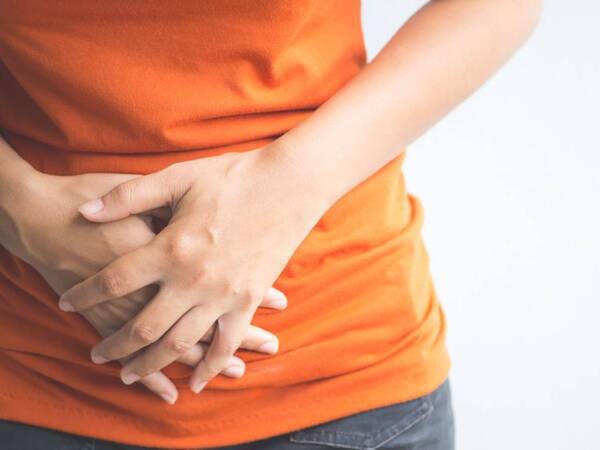
Women commonly experience digestive disorders like bloating, constipation, and IBS. These issues can be influenced by hormonal changes during menstruation, pregnancy, or menopause. Your gut health may be impacted by conditions such as GERD, gallstones, or celiac disease. It’s vital to recognize symptoms and seek medical advice for proper management. Understanding how these disorders affect you specifically can help in finding the right treatment and maintaining digestive wellness.
Hormones play a significant role in your gut health. During menstruation, hormone levels fluctuate and can affect your digestion. Progesterone, a hormone released during the second half of your menstrual cycle, can slow down bowel movements, leading to constipation. Additionally, hormonal changes during pregnancy and menopause can impact gut function. Understanding how hormones influence your gut health can help you better manage digestive issues and maintain overall well-being.
When it comes to improving your gut health naturally, incorporating herbs and supplements can be beneficial. Certain herbs like ginger and peppermint can help soothe digestive issues and reduce inflammation. Probiotics supplements containing beneficial bacteria can support a healthy gut microbiome. Holistic approaches such as acupuncture, yoga, and meditation can also aid in maintaining balance in your gut. These natural remedies can complement a balanced diet and healthy lifestyle, promoting optimal digestion and overall well-being.
Incorporate herbs like ginger and peppermint into your routine; both can help alleviate digestive issues. Add probiotics supplements with beneficial bacteria to support a healthy gut microbiome. These supplements can aid in maintaining your digestive balance, ensuring optimal gut health. Don’t forget the powerful effects of natural remedies; they can work hand in hand with a healthy diet to help you feel your best. Consider adding these to your daily regimen for improved gut health.
To maintain gut balance holistically, focus on your overall well-being. Incorporate stress-relief techniques like meditation or yoga, as stress can disrupt gut health. Stay hydrated and aim for a balanced diet rich in fiber, fruits, and vegetables. Regular exercise improves digestion and promotes gut health. Consider seeking guidance from a holistic healthcare provider who can offer a personalized approach to support your gut health naturally. Embrace a holistic lifestyle to ensure your gut stays balanced and healthy.

In conclusion, taking care of your gut health is essential for your overall well-being. By prioritizing a balanced diet, regular exercise, stress management, and holistic approaches, you can support your gut health effectively. Remember, small changes can make a big difference in your digestive health. Stay mindful of what you eat, stay active, manage stress, and seek natural remedies when needed. Your gut health impacts your entire body, so make it a priority in your healthy lifestyle routine.

To improve your gut health, focus on eating fiber-rich foods like fruits, vegetables, and whole grains. Drink plenty of water to aid digestion. Incorporate probiotic foods like yogurt and kefir into your diet. Manage stress through relaxation techniques like deep breathing or meditation. Stay active with regular exercise to promote gut motility. Consider consulting with a healthcare provider for personalized advice on supplements or natural remedies to support your gut health. Small changes can lead to significant improvements in your overall well-being.
Explore reputable websites like Mayo Clinic and WebMD for in-depth articles on women’s gut health. Consider books such as “The Good Gut” by Justin Sonnenburg for a deeper dive into the topic. Podcasts like “The Gut Health Gurus” can provide valuable insights on maintaining a healthy gut. Join online communities or forums dedicated to gut health to share experiences and gain more knowledge. Your local library may also have resources on nutrition and digestive wellness. Happy reading!


Leave A Comment