
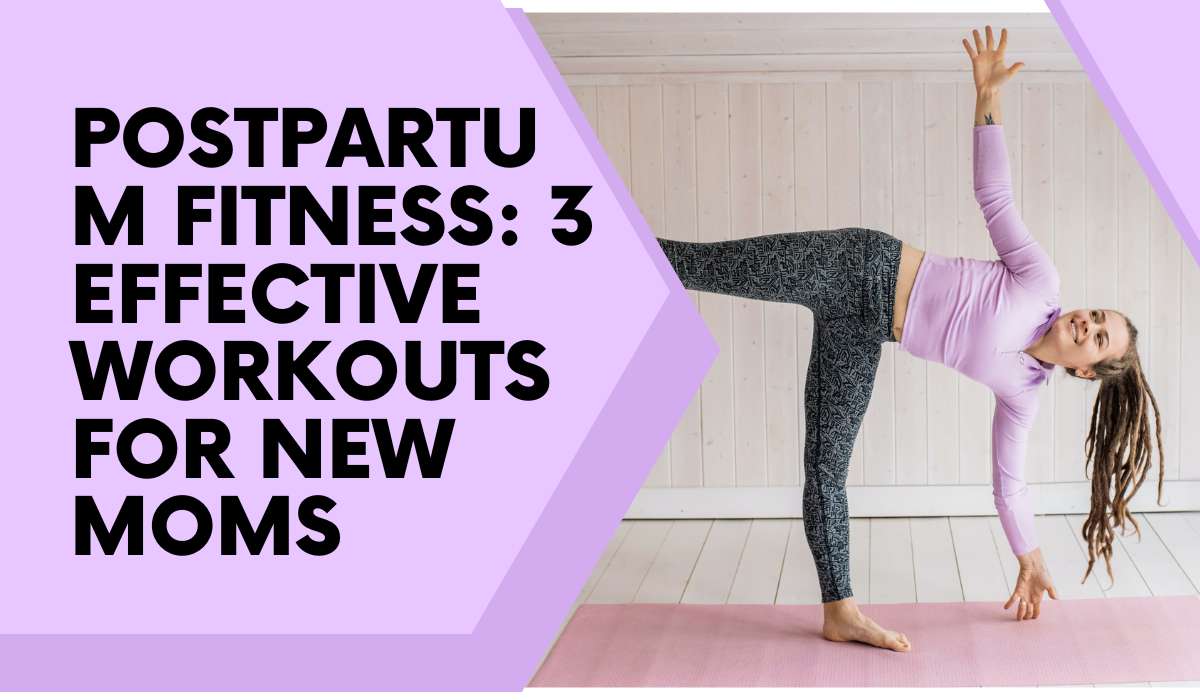
Postpartum fitness is essential for new mothers’ recovery after childbirth. Pregnancy and delivery can significantly impact a woman’s body, and postpartum exercise helps restore strength, flexibility, and overall physical health. New mothers should focus on rebuilding core strength, improving cardiovascular fitness, and enhancing muscle tone.
Engaging in postpartum fitness can also help prevent and manage postpartum depression by releasing mood-boosting endorphins and reducing stress. Regular exercise can assist new mothers in regaining their pre-pregnancy physique and improving self-confidence. Postpartum fitness offers long-term health benefits for women.
Incorporating regular exercise into their routine can reduce the risk of chronic conditions such as heart disease, diabetes, and obesity. It can also improve posture and alleviate back pain, which are common issues for new mothers. Postpartum fitness plays a crucial role in helping women regain strength and confidence after childbirth while promoting long-term health and well-being.
New mothers should start with low-impact exercises and gradually increase the intensity as their body becomes stronger. It is also important to listen to the body and not push too hard, especially in the early postpartum period.
Pregnancy can weaken the abdominal muscles, leading to diastasis recti, a condition where the abdominal muscles separate. Therefore, it is important to incorporate core-strengthening exercises to help in the recovery of these muscles.
Additionally, new mothers should also pay attention to their pelvic floor muscles, as childbirth can weaken these muscles, leading to issues such as urinary incontinence. Including pelvic floor exercises in postpartum workouts can help in strengthening these muscles and preventing any potential issues.
Core strengthening exercises are essential for new mothers as they help in rebuilding the abdominal muscles and improving overall core strength. One effective exercise for this is the pelvic tilt, where the new mother lies on her back with knees bent and performs pelvic tilts by pressing her lower back into the floor. This exercise helps in engaging the deep abdominal muscles and strengthening the core.
Another beneficial exercise is the plank, which can be modified to suit postpartum fitness levels. The plank helps in engaging the entire core, including the abdominal muscles, and can be performed on the knees for a modified version. Furthermore, incorporating exercises such as leg slides and heel slides can also help in targeting the abdominal muscles.
These exercises involve lying on the back and sliding one leg at a time, engaging the core muscles to maintain stability. Additionally, incorporating exercises that target the obliques, such as side planks or standing side bends, can help in strengthening the entire core. It is important for new mothers to start with a few repetitions of each exercise and gradually increase as they build strength.
Core strengthening exercises are crucial for postpartum fitness as they help in rebuilding the abdominal muscles and improving overall core strength.
| Metrics | Results |
|---|---|
| Duration | 30 minutes |
| Calories Burned | 250 kcal |
| Heart Rate | 120 bpm |
| Steps Taken | 4000 steps |
Low-impact cardio workouts are ideal for new mothers as they help in improving cardiovascular health without putting too much strain on the body. Walking is a great low-impact cardio exercise that can be easily incorporated into a postpartum fitness routine. New mothers can start with short walks and gradually increase the duration as they build endurance.
Additionally, swimming is another excellent low-impact cardio workout that provides a full-body workout without putting pressure on the joints. Furthermore, stationary cycling or using a recumbent bike can also be effective low-impact cardio options for new mothers. These exercises help in improving cardiovascular health while minimizing the risk of injury or strain.
Low-impact cardio workouts are beneficial for new mothers as they help in improving cardiovascular health, increasing endurance, and promoting overall well-being without putting excessive strain on the body.
Full body strength training is important for new mothers as it helps in improving overall muscle tone and strength. Incorporating exercises such as squats, lunges, and modified push-ups can help in targeting multiple muscle groups simultaneously. These exercises help in building lower body strength, improving core stability, and enhancing upper body strength.
It is important for new mothers to start with light weights or resistance bands and gradually increase the intensity as they become stronger. Additionally, incorporating exercises such as bicep curls, tricep dips, and shoulder presses can help in targeting the upper body muscles. Full body strength training is essential for new mothers as it helps in improving overall muscle tone, increasing strength, and promoting better posture and stability.
As a new mother, finding time to exercise can be challenging, but with some planning and dedication, it is possible to make time for physical activity. One effective tip is to schedule workouts during baby’s nap time or enlist the help of a partner or family member to watch the baby while the mother exercises.
Joining a postpartum fitness class or finding a workout buddy can provide motivation and accountability. Additionally, incorporating short bursts of exercise throughout the day, such as doing squats while cooking or taking a brisk walk with the baby in a stroller, can help new mothers stay active.
It is essential for new mothers to be flexible with their workout schedule and not be too hard on themselves if they miss a session. Finding ways to make exercise enjoyable, such as listening to music or podcasts during workouts, can also help in staying motivated and committed to a postpartum fitness routine.
Postpartum exercise offers numerous benefits for both physical and mental health. Physically, regular exercise can help new mothers regain strength, improve cardiovascular health, increase flexibility, and enhance overall well-being. It can also aid in weight management and promote better posture and stability.
Additionally, postpartum exercise can help in preventing and managing conditions such as postpartum depression, as it releases endorphins that improve mood and reduce stress. Furthermore, incorporating regular exercise into a postpartum routine can provide new mothers with a sense of empowerment and confidence as they work towards regaining their pre-pregnancy body. It can also serve as a form of self-care and provide much-needed time for relaxation and stress relief.
Overall, postpartum exercise plays a crucial role in helping new mothers recover from childbirth, both physically and mentally, while promoting long-term health and well-being.
If you’re a new mom looking to get back into shape after having a baby, you may be interested in an article about creating healthy power dynamics in relationships. This article discusses the importance of maintaining a balanced and respectful dynamic in relationships, which can be especially important for new moms as they navigate the challenges of motherhood and self-care. Check out the article here for some valuable insights.


Leave A Comment