
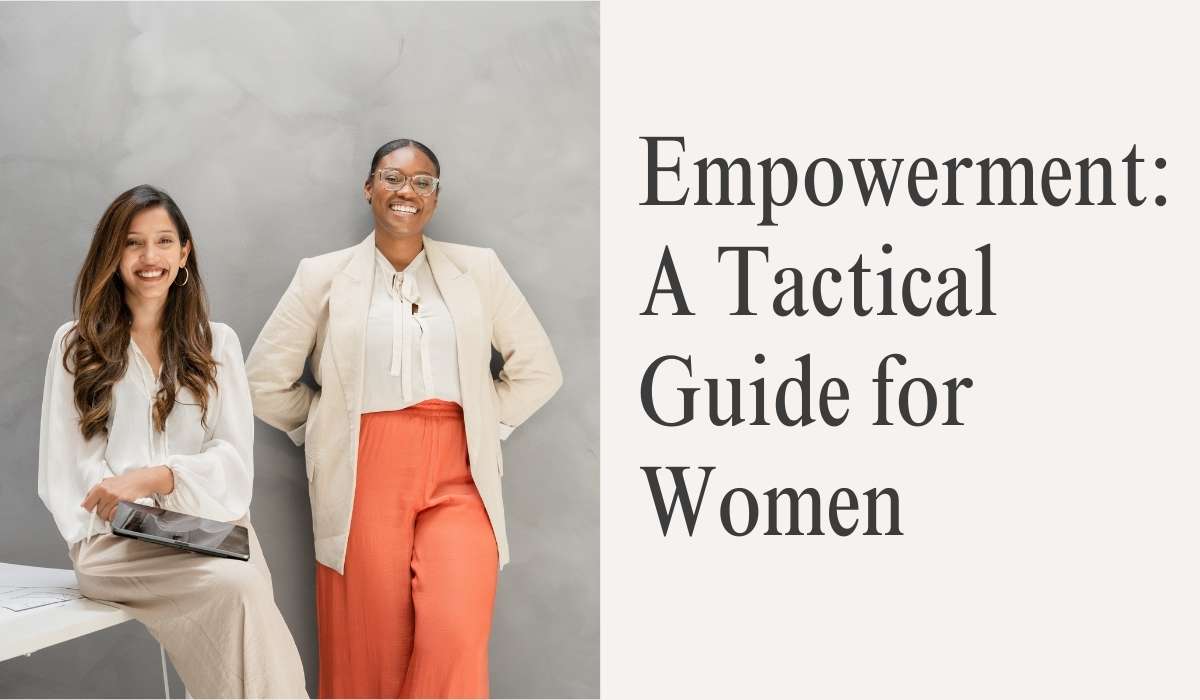
Empowerment is the process of acquiring knowledge, skills, and confidence to take control of one’s life and effect positive change. It involves identifying and addressing societal and personal obstacles that hinder individuals from reaching their full potential. Empowerment equips people with the necessary tools and resources to advocate for themselves and others, ultimately contributing to a more just and equitable society.
There are various forms of empowerment, including economic, political, and social. Economic empowerment refers to achieving financial independence and the ability to make decisions about one’s economic well-being. Political empowerment involves having a voice in decision-making processes and the capacity to advocate for policies that impact one’s community.
Social empowerment entails challenging social norms and stereotypes that restrict individuals’ opportunities and rights. Empowerment extends beyond individual change to encompass systemic transformation. It involves confronting power structures and advocating for policies and practices that promote equality and justice.
The process of empowerment requires sustained effort and commitment, as it often involves facing resistance and overcoming obstacles. However, the benefits of empowerment are extensive, potentially leading to improved self-esteem, better mental and physical health, and a more inclusive and equitable society. The concept of empowerment is complex and multifaceted, necessitating a comprehensive understanding of the barriers that prevent individuals from realizing their full potential.
It involves recognizing the intersectionality of oppression and privilege, and understanding how various forms of discrimination and inequality interact to create obstacles to empowerment. Additionally, empowerment requires an understanding of societal power dynamics and how these dynamics shape individuals’ opportunities and experiences.
Systemic discrimination is a significant obstacle to empowerment. It refers to the ways in which societal institutions and practices perpetuate inequality, limiting individuals’ opportunities based on their race, gender, sexual orientation, ability, or other characteristics. This can manifest in discriminatory policies and practices in areas such as education, employment, housing, and healthcare.
Another significant barrier to empowerment is the lack of access to essential resources. Individuals who do not have access to education, healthcare, financial resources, or social support may struggle to advocate for themselves and make positive changes in their lives.
Internalized oppression occurs when individuals internalize negative messages about their own worth and capabilities, often as a result of experiencing discrimination or marginalization. Additionally, personal barriers such as low self-esteem, fear of failure, or lack of assertiveness can also hinder empowerment. These personal barriers can be deeply ingrained and may require significant effort to overcome.
Recognizing and addressing these barriers is crucial in the empowerment process. It is essential to understand how different forms of oppression intersect to create unique barriers for individuals with multiple marginalized identities. For instance, a person who is both a woman and a person of color may face different challenges than a white woman or a person of color who is male. Understanding these intersectional barriers is vital for creating inclusive and effective empowerment strategies that address the diverse needs of all individuals.
Building self-confidence and assertiveness is a key aspect of empowerment, as it allows individuals to advocate for themselves and make positive changes in their lives. Self-confidence involves believing in one’s own worth and abilities, while assertiveness involves expressing one’s needs and boundaries in a clear and respectful manner. Developing self-confidence and assertiveness requires practice and effort, but it can have a profound impact on individuals’ ability to navigate challenges and pursue their goals.
One way to build self-confidence is through positive self-talk and affirmations. This involves challenging negative thoughts and beliefs about oneself and replacing them with positive affirmations. For example, instead of thinking “I’m not good enough,” one might say “I am capable and deserving of success.” Over time, this practice can help individuals develop a more positive self-image and belief in their own abilities.
Another way to build self-confidence is through setting and achieving small goals. By setting achievable goals and working towards them, individuals can build a sense of accomplishment and confidence in their abilities. This can be particularly effective when individuals are able to see tangible results from their efforts, which can reinforce their belief in their own capabilities.
Assertiveness can be developed through practicing clear communication and boundary-setting. This involves expressing one’s needs, opinions, and boundaries in a direct and respectful manner. It also involves learning to say no when necessary, without feeling guilty or obligated to please others.
Developing assertiveness can be challenging, especially for those who have been socialized to prioritize others’ needs over their own, but it is an essential skill for empowerment. Overall, building self-confidence and assertiveness is an ongoing process that requires patience and perseverance. However, the benefits of developing these skills are significant, as they can empower individuals to advocate for themselves, pursue their goals, and navigate challenges with resilience.
| Leadership Skill | Metrics |
|---|---|
| Communication | Number of effective team meetings |
| Decision Making | Percentage of successful decisions |
| Problem Solving | Number of resolved team issues |
| Empathy | Employee satisfaction survey results |
| Adaptability | Number of successful changes implemented |
Developing leadership skills is another important aspect of empowerment, as it allows individuals to take on leadership roles in their communities and advocate for positive change. Leadership skills involve the ability to inspire others, communicate effectively, make decisions, and work collaboratively towards common goals. Developing these skills can empower individuals to take on roles as advocates, organizers, mentors, or decision-makers in their communities.
One way to develop leadership skills is through mentorship and learning from others who have experience in leadership roles. This can involve seeking out mentors who can provide guidance and support as individuals develop their own leadership abilities. It can also involve learning from the examples of other leaders in their communities or in the broader social justice movement.
Another way to develop leadership skills is through taking on leadership roles in community organizations or advocacy groups. This can involve volunteering for leadership positions or taking on projects that require leadership skills, such as organizing events or leading campaigns. By taking on these roles, individuals can gain practical experience in leadership and develop their abilities in real-world settings.
Developing emotional intelligence is also crucial for effective leadership. Emotional intelligence involves the ability to understand one’s own emotions as well as the emotions of others, and to use this understanding to communicate effectively and build strong relationships. Leaders with high emotional intelligence are better able to inspire others, resolve conflicts, and build collaborative relationships.
Overall, developing leadership skills is an important aspect of empowerment that can enable individuals to take on meaningful roles in their communities and advocate for positive change. By developing these skills, individuals can become powerful agents of change who inspire others and work towards creating a more just and equitable society.
Creating a support network is essential for empowerment, as it provides individuals with the resources, encouragement, and connections they need to navigate challenges and pursue their goals. A support network can include friends, family members, mentors, colleagues, or members of community organizations who provide emotional support, practical assistance, or guidance as individuals work towards empowerment. One way to create a support network is through building strong relationships with others who share similar goals or experiences.
This can involve seeking out like-minded individuals who are also working towards empowerment or social justice, and building connections based on shared values and interests. These relationships can provide mutual support as individuals navigate challenges and pursue their goals. Another way to create a support network is through seeking out mentors or role models who can provide guidance and support as individuals work towards empowerment.
Mentors can offer valuable advice based on their own experiences, as well as connections to resources or opportunities that can help individuals achieve their goals. Creating a support network also involves being willing to ask for help when needed. This can be challenging for some individuals who are used to being self-reliant or who fear being perceived as weak or incompetent.
However, asking for help is an important part of building a support network, as it allows individuals to access the resources and assistance they need to overcome challenges. Overall, creating a support network is an important aspect of empowerment that provides individuals with the resources, encouragement, and connections they need to navigate challenges and pursue their goals. By building strong relationships with others who share similar goals or experiences, seeking out mentors or role models who can provide guidance and support, and being willing to ask for help when needed, individuals can create a strong support network that empowers them to achieve their full potential.
Advocating for change is a crucial aspect of empowerment, as it allows individuals to challenge unjust policies or practices that perpetuate inequality and discrimination. One way to advocate for change is through raising awareness about important issues through education and outreach efforts. This can involve organizing events such as workshops or forums that provide information about key issues affecting marginalized communities or advocating for policy changes that promote equality.
Another way to advocate for change is through organizing grassroots campaigns or movements that mobilize others to take action on important issues. This can involve building coalitions with other organizations or community groups that share similar goals or experiences, as well as using social media or other platforms to raise awareness about important issues.
Advocating for change also involves engaging with policymakers or decision-makers to push for policy changes that promote equality and justice. This can involve meeting with elected officials or government agencies to discuss important issues or propose policy changes that address systemic discrimination or inequality. By taking these steps, individuals can work towards creating a more just and equitable society.
Sustaining empowerment is an ongoing process that requires ongoing effort and commitment. It involves maintaining the gains made through empowerment efforts while continuing to challenge barriers to equality and justice. Sustaining empowerment also involves supporting others in their own empowerment efforts by sharing knowledge, resources, and encouragement.
One way to sustain empowerment is through ongoing education and learning about important issues affecting marginalized communities or social justice movements. This can involve staying informed about current events or policy changes that affect marginalized communities or participating in workshops or trainings that provide valuable knowledge about key issues. Another way to sustain empowerment is through ongoing advocacy efforts that challenge unjust policies or practices that perpetuate inequality and discrimination.
This can involve participating in grassroots campaigns or movements that mobilize others to take action on important issues or engaging with policymakers or decision-makers to push for policy changes that promote equality. Sustaining empowerment also involves supporting others in their own empowerment efforts by sharing knowledge, resources, and encouragement. This can involve mentoring others who are working towards empowerment or providing practical assistance or guidance based on one’s own experiences.
Overall, sustaining empowerment is an ongoing process that requires ongoing effort and commitment. By staying informed about current events or policy changes that affect marginalized communities through ongoing education efforts; participating in grassroots campaigns or movements that mobilize others; engaging with policymakers or decision-makers; supporting others in their own empowerment efforts by sharing knowledge; resources; encouragement; individuals can work towards creating a more just; equitable society while continuing to challenge barriers to equality; justice.
If you’re looking for more tips on navigating relationship challenges and building healthy relationship dynamics, check out this article for valuable insights and advice. Understanding the dynamics of relationships and how to cope with challenges is essential for maintaining a healthy and fulfilling partnership.


Leave A Comment