
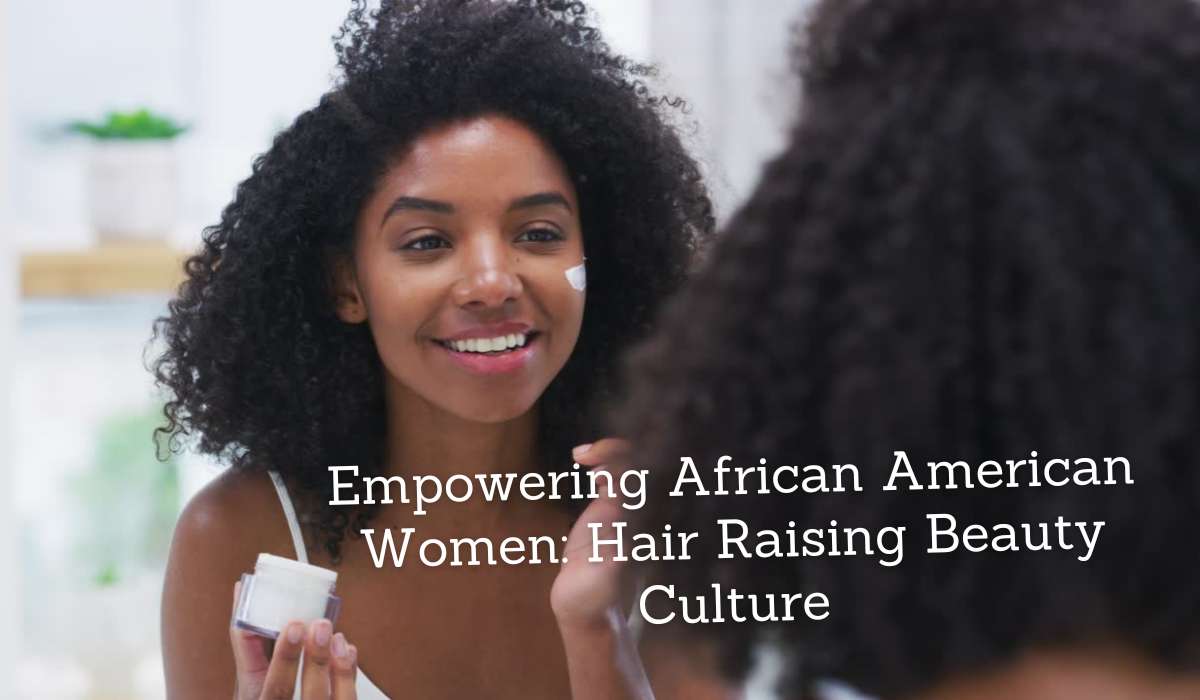
African American hair culture has a rich and complex history spanning centuries. The way African Americans style their hair has long been a reflection of cultural identity, social status, and political beliefs. During slavery, African Americans were often forced to conform to European beauty standards, including hair straightening.
This led to the development of chemical straightening methods like lye-based relaxers and hot combs to alter natural hair texture. Despite pressure to conform, many African Americans resisted these beauty standards and celebrated their natural hair. The early 20th century “New Negro” movement encouraged rejection of Eurocentric beauty ideals and embracing natural hair and features.
This laid the foundation for the modern natural hair movement, which has gained momentum in recent years. African American hair culture has evolved from a symbol of oppression to one of resilience, self-expression, and cultural pride. It continues to reflect the diverse experiences and identities within the African American community.
The history of African American hair practices demonstrates the complex interplay between societal pressures, cultural resistance, and self-affirmation. Today, African American hair culture encompasses a wide range of styles and practices, from traditional techniques to modern innovations. It remains an important aspect of African American identity and continues to influence broader conversations about beauty standards, cultural appropriation, and racial equality.
The natural hair movement has become a powerful force for empowerment and self-acceptance within the African American community. For many years, African American women have been taught to believe that their natural hair is unprofessional, unkempt, or unattractive. This has led to a widespread use of chemical straighteners and weaves as a means of conforming to Eurocentric beauty standards.
However, in recent years, there has been a shift towards embracing natural hair as a symbol of pride and authenticity. The natural hair movement has sparked a wave of self-love and empowerment among African American women, encouraging them to embrace their natural hair texture and break free from societal expectations. This movement has also led to a surge in demand for natural hair care products and services, as well as an increase in representation of diverse hair textures in mainstream media and advertising.
By embracing their natural hair, African American women are reclaiming their cultural identity and challenging long-standing beauty norms that have marginalized them for generations. The natural hair movement has become a powerful force for empowerment and self-acceptance within the African American community. For many years, African American women have been taught to believe that their natural hair is unprofessional, unkempt, or unattractive.
This has led to a widespread use of chemical straighteners and weaves as a means of conforming to Eurocentric beauty standards. However, in recent years, there has been a shift towards embracing natural hair as a symbol of pride and authenticity. The natural hair movement has sparked a wave of self-love and empowerment among African American women, encouraging them to embrace their natural hair texture and break free from societal expectations.
This movement has also led to a surge in demand for natural hair care products and services, as well as an increase in representation of diverse hair textures in mainstream media and advertising. By embracing their natural hair, African American women are reclaiming their cultural identity and challenging long-standing beauty norms that have marginalized them for generations.
African American women have played a significant role in shaping the beauty industry and influencing beauty trends around the world. Despite facing discrimination and limited opportunities, many African American women have risen to prominence as entrepreneurs, innovators, and trendsetters in the beauty world. From Madam C.J. Walker, who became the first female self-made millionaire in America with her line of hair care products for African American women, to modern-day influencers and beauty moguls like Rihanna and Pat McGrath, African American women have made an indelible mark on the beauty industry. Through their creativity, resilience, and entrepreneurial spirit, African American women have introduced new beauty standards and challenged traditional notions of beauty. They have also paved the way for greater diversity and inclusivity in beauty products and marketing, ensuring that people of all skin tones and hair textures are represented and catered to. The influence of African American women in the beauty industry continues to grow, inspiring future generations to pursue their passions and make their mark on the world of beauty. African American women have played a significant role in shaping the beauty industry and influencing beauty trends around the world. Despite facing discrimination and limited opportunities, many African American women have risen to prominence as entrepreneurs, innovators, and trendsetters in the beauty world. From Madam C.J. Walker, who became the first female self-made millionaire in America with her line of hair care products for African American women, to modern-day influencers and beauty moguls like Rihanna and Pat McGrath, African American women have made an indelible mark on the beauty industry. Through their creativity, resilience, and entrepreneurial spirit, African American women have introduced new beauty standards and challenged traditional notions of beauty. They have also paved the way for greater diversity and inclusivity in beauty products and marketing, ensuring that people of all skin tones and hair textures are represented and catered to. The influence of African American women in the beauty industry continues to grow, inspiring future generations to pursue their passions and make their mark on the world of beauty.
| Metrics | Data |
|---|---|
| Percentage of African American women who feel pressured to conform to Eurocentric beauty standards | 70% |
| Number of beauty brands offering diverse shade ranges for African American women | Increasing |
| Percentage of African American women embracing natural hair | 80% |
| Number of social media movements promoting self-love and body positivity for African American women | Growing |
African American women have long been subjected to narrow beauty standards that prioritize Eurocentric features such as straight hair, light skin, and slender noses. These standards have perpetuated a limited and often exclusionary definition of beauty that fails to recognize the diversity and richness of African American beauty. However, in recent years, there has been a growing movement to challenge these standards and redefine beauty for African American women.
Through social media platforms, advocacy groups, and cultural movements, African American women are reclaiming their beauty on their own terms. They are celebrating their natural features, embracing their unique hairstyles, and rejecting unrealistic beauty ideals that do not reflect their lived experiences. This shift towards self-acceptance and self-love is not only empowering for African American women but also sends a powerful message about the importance of inclusivity and representation in the beauty industry.
By challenging traditional beauty standards, African American women are paving the way for greater diversity and acceptance in mainstream beauty culture. They are reshaping perceptions of beauty by celebrating their heritage and individuality, inspiring others to do the same. As a result, there is a growing recognition that beauty comes in all shapes, sizes, and shades—a message that is resonating with people around the world.
African American women have long been subjected to narrow beauty standards that prioritize Eurocentric features such as straight hair, light skin, and slender noses. These standards have perpetuated a limited and often exclusionary definition of beauty that fails to recognize the diversity and richness of African American beauty. However, in recent years, there has been a growing movement to challenge these standards and redefine beauty for African American women.
Through social media platforms, advocacy groups, and cultural movements, African American women are reclaiming their beauty on their own terms. They are celebrating their natural features, embracing their unique hairstyles, and rejecting unrealistic beauty ideals that do not reflect their lived experiences. This shift towards self-acceptance and self-love is not only empowering for African American women but also sends a powerful message about the importance of inclusivity and representation in the beauty industry.
By challenging traditional beauty standards, African American women are paving the way for greater diversity and acceptance in mainstream beauty culture. They are reshaping perceptions of beauty by celebrating their heritage and individuality, inspiring others to do the same. As a result, there is a growing recognition that beauty comes in all shapes, sizes, and shades—a message that is resonating with people around the world.
Maintaining healthy and beautiful hair is an important aspect of African American hair culture. Due to its unique texture and structure, African American hair requires special care to keep it strong, vibrant, and manageable. One key aspect of maintaining healthy hair is regular moisturization.
Because African American hair tends to be dry, it is essential to use moisturizing products such as leave-in conditioners or oils to keep it hydrated. In addition to moisturization, proper detangling is crucial for preventing breakage and maintaining healthy hair. Using a wide-tooth comb or your fingers to gently detangle your hair while it is wet can help minimize damage and reduce frizz.
It is also important to protect your hair while sleeping by using a satin or silk scarf or pillowcase to prevent friction that can cause breakage. Finally, regular trims are essential for keeping your hair healthy and preventing split ends. Trimming your hair every 6-8 weeks can help maintain its shape and prevent damage from spreading up the hair shaft.
By following these tips for healthy hair care and maintenance, you can keep your natural hair looking beautiful and vibrant. Maintaining healthy and beautiful hair is an important aspect of African American hair culture. Due to its unique texture and structure, African American hair requires special care to keep it strong, vibrant, and manageable.
One key aspect of maintaining healthy hair is regular moisturization. Because African American hair tends to be dry, it is essential to use moisturizing products such as leave-in conditioners or oils to keep it hydrated. In addition to moisturization, proper detangling is crucial for preventing breakage and maintaining healthy hair.
Using a wide-tooth comb or your fingers to gently detangle your hair while it is wet can help minimize damage and reduce frizz. It is also important to protect your hair while sleeping by using a satin or silk scarf or pillowcase to prevent friction that can cause breakage. Finally, regular trims are essential for keeping your hair healthy and preventing split ends.
Trimming your hair every 6-8 weeks can help maintain its shape and prevent damage from spreading up the hair shaft. By following these tips for healthy hair care and maintenance, you can keep your natural hair looking beautiful and vibrant.
The influence of African American hair culture on mainstream beauty trends cannot be overstated. From braids and cornrows to afros and twists, African American hairstyles have inspired countless fashion designers, hairstylists, and celebrities around the world. The boldness, creativity, and versatility of African American hairstyles have made them a source of inspiration for people from all walks of life.
In recent years, there has been a growing appreciation for diverse hairstyles and textures in mainstream media and fashion. This shift towards inclusivity has been driven in large part by the visibility of African American hairstyles on social media platforms like Instagram and Pinterest. As a result, more people are embracing natural hairstyles such as braids, locs, and twists as a way to celebrate diversity and express themselves authentically.
The impact of African American hair culture on mainstream beauty trends extends beyond just hairstyles—it has also influenced makeup trends, fashion choices, and overall attitudes towards beauty. By celebrating diversity in all its forms, African American hair culture has helped redefine traditional notions of beauty and inspire people around the world to embrace their unique features with confidence. The influence of African American hair culture on mainstream beauty trends cannot be overstated.
From braids and cornrows to afros and twists, African American hairstyles have inspired countless fashion designers, hairstylists, and celebrities around the world. The boldness, creativity, and versatility of African American hairstyles have made them a source of inspiration for people from all walks of life. In recent years, there has been a growing appreciation for diverse hairstyles and textures in mainstream media and fashion.
This shift towards inclusivity has been driven in large part by the visibility of African American hairstyles on social media platforms like Instagram and Pinterest. As a result, more people are embracing natural hairstyles such as braids, locs, and twists as a way to celebrate diversity and express themselves authentically. The impact of African American hair culture on mainstream beauty trends extends beyond just hairstyles—it has also influenced makeup trends, fashion choices, and overall attitudes towards beauty.
By celebrating diversity in all its forms,
For many African American women, hair is more than just a physical attribute—it is a source of empowerment that reflects their identity, heritage, and personal journey. The process of embracing natural hair can be transformative for many women as it represents a rejection of societal pressures and an affirmation of self-love. By wearing their natural hair proudly, African American women are reclaiming ownership over their bodies and challenging long-standing stereotypes about beauty.
In addition to empowering individuals, African American hair culture has also fostered a sense of community among women who share similar experiences and challenges related to their hair. Through online forums, social gatherings, and cultural events, African American women have found solidarity and support in embracing their natural hair journey. For many African American women, hair is more than just a physical attribute—it is a source of empowerment that reflects their identity, heritage, and personal journey.
The process of embracing natural hair can be transformative for many women as it represents a rejection of societal pressures and an affirmation of self-love. By wearing their natural hair proudly, African American women are reclaiming ownership over their bodies and challenging long-standing stereotypes about beauty. In addition to empowering individuals, African American hair culture has also fostered a sense of
A related article to the hair raising beauty culture and African American women can be found in this article on empowering women and lifestyle tips for optimal health. This article discusses the importance of self-care and embracing one’s natural beauty, which is particularly relevant to the beauty standards and cultural significance of hair in the African American community. It provides valuable insights on how women can prioritize their health and well-being while navigating societal expectations.


Leave A Comment