
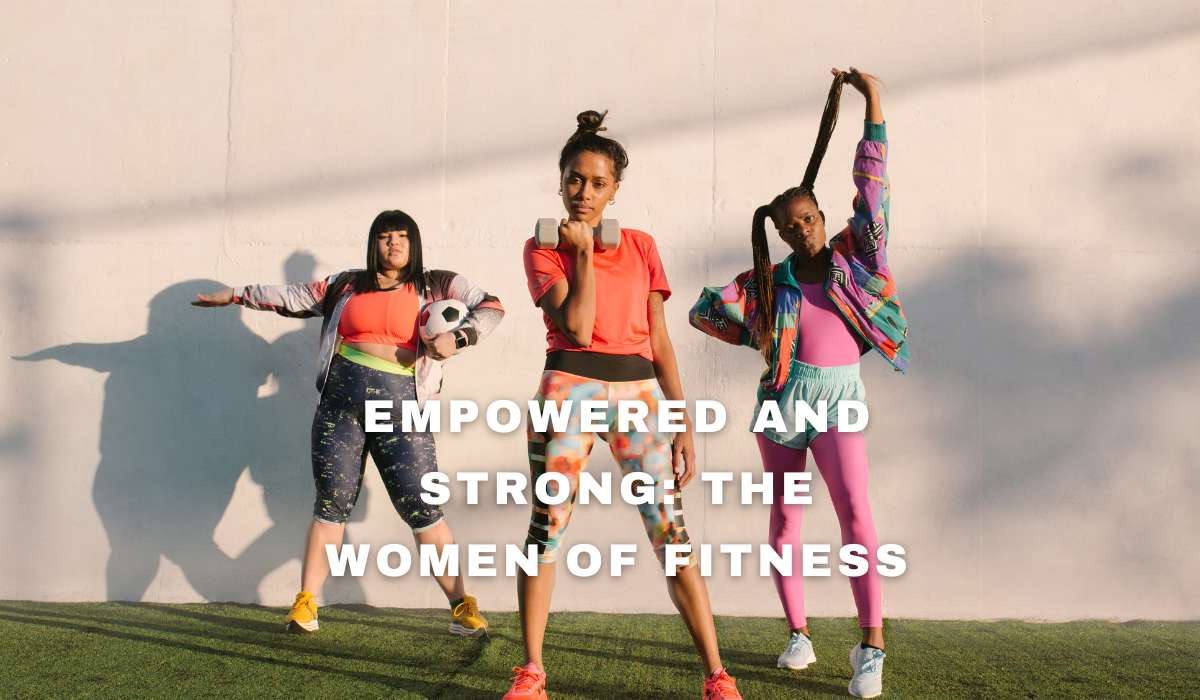
In recent years, the fitness industry has experienced a notable increase in female empowerment. Women are increasingly occupying leadership roles as trainers, coaches, and influencers, moving beyond traditional roles as fitness enthusiasts. This shift is attributed to growing awareness of women’s health and wellness, coupled with a demand for more inclusive and diverse representation in fitness.
Female empowerment in fitness extends beyond physical strength, challenging societal norms and breaking down barriers. Women are embracing their bodies and abilities, inspiring others to do the same. This movement has been supported by the increased availability of resources tailored to women’s needs and preferences, including specialized fitness programs and initiatives.
The industry has also seen a greater emphasis on body positivity and self-love, creating a more welcoming environment for women to explore their fitness goals. As a result, more women are taking control of their health and well-being, gaining confidence to push their boundaries and achieve their fitness aspirations. This rise in female empowerment within the fitness industry is not merely a trend but a significant movement reshaping how women engage with fitness and wellness.
It has created a more inclusive and diverse fitness landscape, encouraging women to pursue their passions and take on leadership roles in the industry.
Traditionally seen as a male-dominated activity, strength training has become increasingly popular among women, challenging stereotypes and redefining what it means to be strong. Women are no longer confined to the idea of being delicate or fragile, but are embracing their physical strength and pushing their bodies to new limits.
This shift has been driven by a growing understanding of the benefits of strength training for women, including improved muscle tone, bone density, and overall physical health. The rise of women in strength training has also been fueled by a new wave of female role models who are breaking barriers and inspiring others to do the same.
Female athletes, trainers, and influencers are showcasing their strength and athleticism, proving that women can excel in traditionally male-dominated sports and activities. This has not only encouraged more women to take up strength training, but has also helped to break down stereotypes and misconceptions about women’s capabilities.
As a result, strength training is no longer seen as off-limits for women, but as an empowering and inclusive activity that can help them build confidence, resilience, and physical prowess.
The importance of female representation in fitness cannot be overstated. For too long, the fitness industry has been dominated by male voices and perspectives, leaving women feeling marginalized and underrepresented. This lack of representation has not only perpetuated stereotypes and unrealistic beauty standards, but has also hindered women’s access to resources and support for their fitness journeys.
However, as more women have stepped into leadership roles and taken on influential positions in the fitness world, there has been a noticeable shift towards greater inclusivity and diversity. Female representation in fitness is crucial for providing women with role models and mentors who understand their unique needs and experiences. It also helps to challenge outdated notions of what it means to be fit and healthy, and encourages women to embrace their bodies and pursue their fitness goals without fear of judgment or discrimination.
Additionally, female representation in fitness is essential for driving innovation and progress within the industry, as it brings new perspectives and ideas to the table. By amplifying the voices of women in fitness, we can create a more inclusive and empowering environment that celebrates diversity and encourages all individuals to prioritize their health and well-being.
| Resilient Women | Challenges Faced | Success Stories |
|---|---|---|
| Anna | Injury, self-doubt | Recovered, became a fitness coach |
| Sarah | Weight stigma, societal pressure | Became a body-positive influencer |
| Emily | Work-life balance, time constraints | Started a successful fitness blog |
The journey towards empowerment in fitness is not without its challenges, and many women have had to overcome significant obstacles to pursue their passion for health and wellness. From societal pressures to personal insecurities, women face a myriad of barriers that can make it difficult to prioritize their fitness goals. However, there are countless stories of resilient women who have defied the odds and persevered in the face of adversity, inspiring others with their strength and determination.
One such example is that of Serena Williams, a tennis champion who has faced criticism and discrimination throughout her career, yet has continued to dominate the sport with her unparalleled skill and athleticism. Williams has been an outspoken advocate for body positivity and self-acceptance, using her platform to challenge beauty standards and empower women to embrace their bodies. Her resilience in the face of adversity serves as a powerful example of how women can overcome challenges in pursuit of their fitness goals.
Similarly, there are countless everyday women who have overcome personal struggles and societal pressures to prioritize their health and well-being, proving that resilience is key to achieving empowerment in fitness.
The evolution of women’s fitness has been marked by significant shifts in trends and attitudes towards exercise. In the 1980s, aerobics became a popular form of exercise for women, emphasizing cardiovascular health and endurance. However, as women’s roles in society have evolved, so too have their fitness preferences.
Today, we see a growing interest in activities such as powerlifting, CrossFit, and martial arts, which focus on strength, agility, and functional movement. This shift reflects a broader cultural movement towards empowering women to embrace their physical capabilities and redefine traditional notions of femininity. The evolution of women’s fitness has also been influenced by advancements in sports science and exercise physiology, which have shed light on the unique needs and abilities of female athletes.
As a result, there is now a greater understanding of how women can optimize their training and nutrition to achieve their fitness goals. This has led to a more personalized approach to women’s fitness, with an emphasis on individualized programming and support. The evolution of women’s fitness is not just about changing trends, but about creating a more inclusive and empowering environment that celebrates the diverse ways in which women can engage with exercise and physical activity.
One such influencer is Kayla Itsines, who gained international recognition for her Bikini Body Guides (BBG) program that empowers women to build strength and confidence through exercise. Itsines’ approach focuses on functional training and holistic wellness, emphasizing the importance of mental health alongside physical fitness. Her impact on the industry has been profound, as she has helped countless women around the world feel empowered to take control of their bodies and their lives.
Similarly, there are many other female fitness influencers who are using their platforms to uplift and inspire others, creating a community of support and encouragement for women on their fitness journeys. These influencers are breaking down barriers and challenging traditional beauty standards, promoting a more inclusive and accepting environment for women of all shapes and sizes.
Through their platforms, these female fitness influencers are challenging societal expectations and promoting a more realistic and attainable approach to fitness and wellness. By sharing their own struggles and triumphs, they are helping to create a more supportive and empowering community for women everywhere.
As we look towards the future of the fitness industry, it is clear that empowering women will be a key driver of progress and innovation. By creating more opportunities for female leadership and representation, we can foster an environment that is inclusive, diverse, and supportive of all individuals’ health and wellness goals. This includes providing resources for education and training for women who aspire to become fitness professionals, as well as promoting equal opportunities for advancement within the industry.
Additionally, shaping the future of empowering women in the fitness industry requires a commitment to challenging stereotypes and promoting body positivity at all levels. This means advocating for more realistic representations of women in marketing and media, as well as creating spaces that are welcoming and accessible to individuals of all shapes, sizes, and abilities. By prioritizing empowerment in fitness, we can create a future where all individuals feel supported in pursuing their health goals without fear of judgment or discrimination.
In conclusion, the rise of female empowerment in the fitness industry represents a significant shift towards inclusivity, diversity, and support for all individuals’ health and wellness goals. By breaking stereotypes, prioritizing representation, overcoming challenges, evolving trends, inspiring others through influence, we can shape a future where all individuals feel empowered to prioritize their health without fear of judgment or discrimination. The future of empowering women in the fitness industry requires a commitment to challenging stereotypes promoting body positivity at all levels while providing resources for education training for aspiring professionals promoting equal opportunities for advancement within the industry.
For women looking to improve their emotional intelligence and leadership skills, there is a great article on Mastering Emotional Intelligence for Effective Leadership that provides valuable insights and tips. Developing emotional intelligence can also be beneficial in maintaining a healthy relationship, as discussed in the article Keys to a Healthy Relationship: Communication, Trust, and Respect. Additionally, for women navigating the world of dating, there is a helpful article on Finding Love: Dating Advice for Women that offers practical advice and guidance. These resources can contribute to the overall well-being and success of women striving to be healthy and fit in all aspects of their lives.


Leave A Comment