
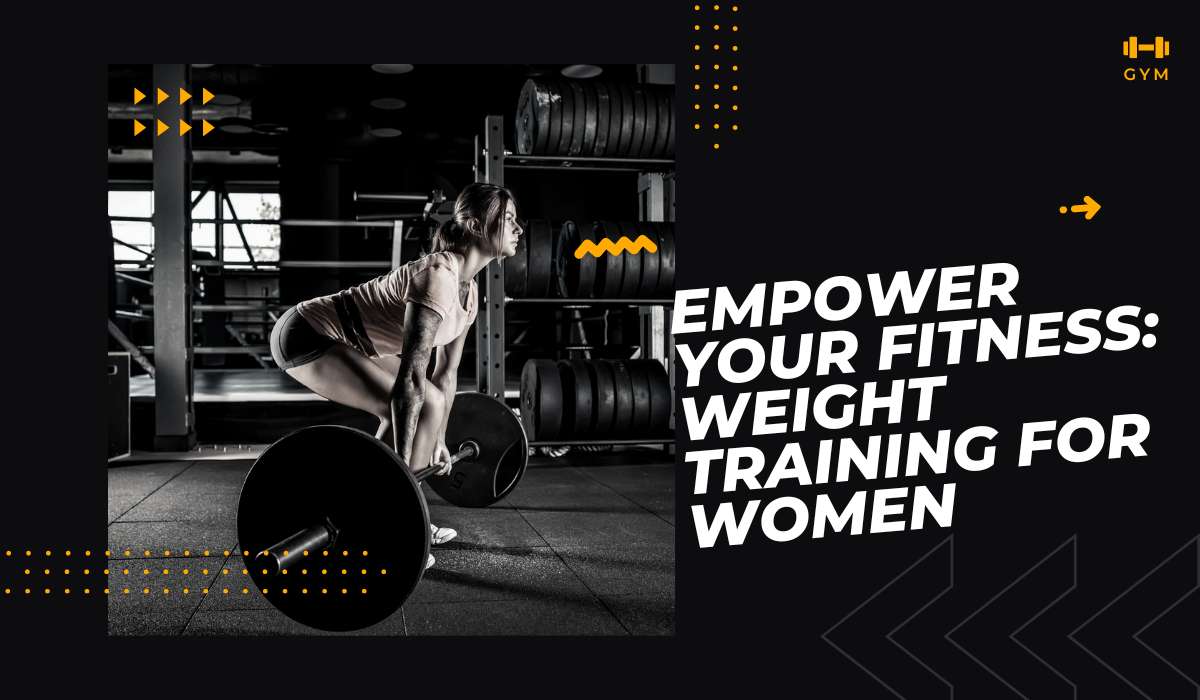
Weight training offers numerous benefits for women, extending beyond its traditional association with men and bodybuilders. This form of exercise can significantly impact women’s health and well-being in various ways. It helps increase muscle mass, which boosts metabolism and aids in weight management, particularly important as women age and naturally lose muscle mass.
Weight training also improves bone density, reducing the risk of osteoporosis and fractures in later life. Regular weight training enhances overall strength and endurance, making daily activities easier and decreasing injury risk. It improves posture and balance, which is crucial for women as they age and become more susceptible to falls.
Research has shown that weight training positively affects mental health, reducing symptoms of anxiety and depression. Additionally, it can boost confidence and self-esteem as women observe improvements in their physical strength and appearance. The benefits of weight training for women are comprehensive, making it an essential component of a healthy lifestyle.
It goes beyond building muscle or achieving a specific aesthetic; it is about improving overall health and well-being. Women who incorporate weight training into their fitness routines can experience a wide range of advantages that enhance their strength, endurance, and quality of life. These benefits underscore the importance of weight training as a valuable exercise option for women of all ages.
For women who are new to weight training, getting started can seem daunting. However, with the right approach and guidance, it can be an enjoyable and rewarding experience. The first step is to set clear and realistic goals. Whether it’s increasing strength, improving muscle tone, or enhancing overall fitness, having a clear objective will help guide your training program.
Next, it’s important to seek out professional instruction. Working with a certified personal trainer or fitness coach can ensure that you learn proper techniques and avoid injury. They can also help you design a personalized training program that aligns with your goals and fitness level.
When beginning a weight training program, it’s crucial to start with lighter weights and focus on mastering proper form and technique. This will not only reduce the risk of injury but also lay a solid foundation for future progress. As you become more comfortable with the exercises, you can gradually increase the weight and intensity of your workouts. It’s also important to listen to your body and allow for adequate rest and recovery between sessions.
Finally, staying consistent and patient is key. Results won’t happen overnight, but with dedication and perseverance, you will begin to see improvements in strength, endurance, and overall fitness. Starting a weight training program as a woman can be intimidating, but with the right approach, it can be a fulfilling and empowering journey. Setting clear goals, seeking professional guidance, mastering proper form, and staying consistent are all essential steps in getting started with weight training. By taking a gradual and mindful approach, women can build a strong foundation for their fitness journey and set themselves up for long-term success.
Despite the numerous benefits of weight training for women, there are still many myths and misconceptions surrounding this form of exercise. One common myth is that weight training will make women bulky or masculine-looking. In reality, women do not have enough testosterone to develop large muscles like men unless they specifically train for it with intense workouts and strict nutrition plans.
Instead, weight training can help women achieve a lean and toned physique while improving overall strength and endurance. Another misconception is that weight training is only for young or fit individuals. In truth, weight training is beneficial for women of all ages and fitness levels.
It can be adapted to suit individual needs and capabilities, making it accessible to everyone. Additionally, some women fear that weight training will lead to injury or strain on their joints. However, when done with proper form and technique, weight training can actually strengthen the muscles around the joints, reducing the risk of injury.
Furthermore, there is a misconception that cardio is the only way for women to lose weight or improve their fitness. While cardio is important, weight training plays a crucial role in boosting metabolism and building lean muscle mass, which can aid in weight management and overall health. By dispelling these myths and misconceptions, women can feel more confident and empowered to incorporate weight training into their fitness routine.
| Importance of Proper Form and Technique |
|---|
| 1. Injury Prevention |
| 2. Improved Performance |
| 3. Muscle Engagement |
| 4. Balance and Stability |
| 5. Long-term Health |
When it comes to weight training, proper form and technique are essential for maximizing results and preventing injury. One of the most common mistakes people make when starting out with weight training is using improper form in an attempt to lift heavier weights. This not only reduces the effectiveness of the exercise but also increases the risk of strains or other injuries.
Therefore, it’s crucial to prioritize proper form over the amount of weight lifted. Proper form involves maintaining good posture throughout the exercise, engaging the targeted muscles, and moving through the full range of motion. It’s important to start with lighter weights to focus on mastering the correct form before progressing to heavier loads.
Additionally, seeking guidance from a qualified fitness professional can help ensure that you are performing exercises correctly and safely. Another aspect of proper technique is controlling the speed of each repetition. Many people make the mistake of using momentum to lift the weights quickly, which reduces the effectiveness of the exercise and increases the risk of injury.
Instead, focus on controlled movements with a slow and deliberate pace to fully engage the muscles and maximize the benefits of each exercise. In summary, proper form and technique are crucial in weight training to prevent injury and maximize results. By prioritizing good posture, engaging the targeted muscles, controlling the speed of repetitions, and seeking professional guidance, women can ensure that they are getting the most out of their workouts while minimizing the risk of injury.
When designing a weight training routine for women, it’s important to create a balanced program that targets all major muscle groups while allowing for adequate rest and recovery. A well-rounded routine should include exercises that work the upper body (chest, back, shoulders, arms), lower body (quadriceps, hamstrings, glutes), and core (abdominals, obliques). This ensures that all muscle groups are being strengthened and developed evenly.
In addition to targeting specific muscle groups, it’s important to incorporate a variety of exercises that work different movement patterns such as pushing (e.g., chest press), pulling (e.g., rows), squatting (e.g., squats), hinging (e.g., deadlifts), and rotating (e.g., Russian twists). This helps prevent muscle imbalances and reduces the risk of overuse injuries. Furthermore, it’s essential to include both compound exercises (which involve multiple joints and muscle groups) and isolation exercises (which target specific muscles).
Compound exercises such as squats, deadlifts, and bench presses are effective for building overall strength and muscle mass, while isolation exercises such as bicep curls or tricep extensions can help target specific areas for more definition. Finally, incorporating a variety of rep ranges (e.g., low reps with heavy weights for strength, higher reps with lighter weights for endurance) into your routine can help stimulate different muscle fibers and promote overall muscle development. In conclusion, creating a balanced weight training routine for women involves targeting all major muscle groups with a variety of exercises that work different movement patterns while incorporating both compound and isolation exercises.
By designing a well-rounded program that promotes overall strength and muscle development while allowing for adequate rest and recovery, women can achieve optimal results from their weight training routine.
While weight training offers numerous benefits for women’s health and fitness, combining it with cardiovascular exercise can further enhance overall results. Cardiovascular exercise such as running, cycling, or swimming helps improve cardiovascular health, burn calories, and promote fat loss. When paired with weight training, it creates a well-rounded fitness routine that addresses both strength and endurance.
One effective way to combine weight training with cardio is through circuit training or high-intensity interval training (HIIT). These workouts involve alternating between periods of intense cardiovascular exercise and strength training exercises with minimal rest in between. This not only maximizes calorie burn during the workout but also promotes an afterburn effect where the body continues to burn calories at an elevated rate post-exercise. Another approach is to schedule separate days for weight training and cardio within your weekly routine. This allows for dedicated focus on each type of exercise while still reaping the benefits of both.
It’s important to find a balance that works for your individual goals and preferences. Some women may prefer more emphasis on weight training with shorter cardio sessions for overall fitness maintenance, while others may prioritize cardiovascular exercise with lighter weight training for fat loss or endurance improvement. In summary, combining weight training with cardiovascular exercise can lead to optimal results in terms of overall fitness, fat loss, and cardiovascular health.
Whether through circuit training or separate workout days dedicated to each type of exercise, finding a balance that aligns with your goals is key to achieving maximum benefits from your fitness routine.
Embarking on a weight training journey as a woman comes with its own set of challenges, but staying motivated is key to long-term success. One common challenge is overcoming self-doubt or fear of judgment in male-dominated gym environments. It’s important to remember that everyone starts somewhere, and focusing on your own progress rather than comparing yourself to others can help build confidence.
Another challenge is staying consistent with your workouts amidst busy schedules or other commitments. Setting specific workout times in your weekly schedule and treating them as non-negotiable appointments can help establish a routine that becomes a habit over time. Additionally, plateaus or slow progress can be discouraging at times.
It’s important to remember that progress is not always linear; there will be ups and downs along the way. Celebrating small victories such as lifting heavier weights or mastering new exercises can help maintain motivation during challenging times. Seeking support from like-minded individuals or joining group fitness classes can also provide motivation and accountability.
Surrounding yourself with a supportive community can make the journey more enjoyable and help you stay on track towards your fitness goals. In conclusion, staying motivated in your weight training journey as a woman involves overcoming self-doubt or fear of judgment, staying consistent with your workouts amidst busy schedules or other commitments, celebrating small victories along the way, and seeking support from like-minded individuals or group fitness classes. By addressing these challenges head-on and finding sources of motivation that resonate with you personally, you can stay committed to your fitness journey for the long haul.
If you’re a woman looking to start weight training, it’s important to also focus on building a healthy relationship with your body. This article on building healthy relationship dynamics can provide valuable insights into how to approach your fitness journey with a positive mindset and self-compassion. Understanding the key factors for success in relationships can also be applied to your relationship with exercise and strength training.


Leave A Comment