
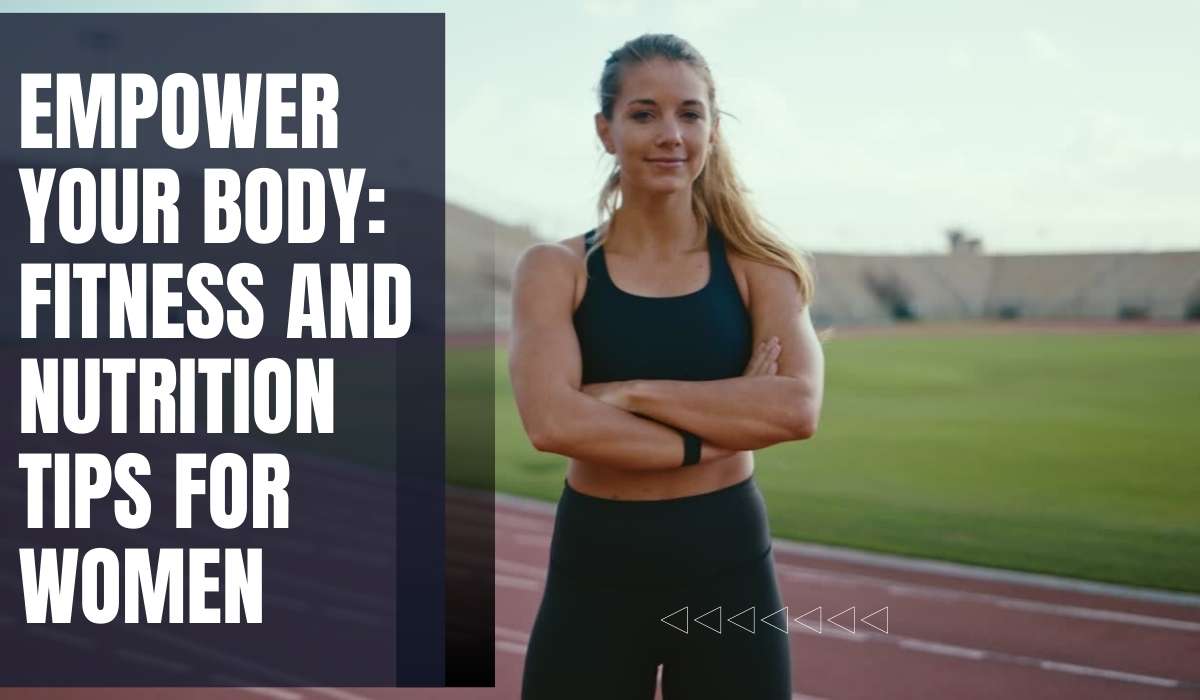
Fitness and nutrition are crucial elements of a healthy lifestyle, particularly for women. Regular exercise and a balanced diet offer benefits that extend beyond physical appearance. For women, maintaining a healthy weight and staying active can lower the risk of chronic diseases such as heart disease, diabetes, and certain cancers.
Physical activity also improves mental health, reduces stress, and enhances self-esteem. Proper nutrition is equally vital, providing the body with essential nutrients for optimal function and overall health. For women specifically, a well-balanced diet supports hormonal balance, bone health, and reproductive health.
Prioritizing fitness and nutrition is therefore essential for women to lead healthy and fulfilling lives. Fitness and nutrition significantly impact women’s overall well-being and longevity. Regular exercise helps maintain a healthy weight, reducing the risk of obesity-related conditions like high blood pressure and elevated cholesterol levels.
Physical activity strengthens muscles and bones, lowering the risk of osteoporosis and improving mobility and flexibility. When combined with a nutritious diet, exercise supports a strong immune system, which is crucial for fighting illness and disease. Proper nutrition also helps women manage energy levels, improve digestion, and support mental clarity and focus.
By prioritizing fitness and nutrition, women can enhance their quality of life and reduce the risk of developing chronic health conditions in the long term.
When establishing fitness goals, it’s essential to consider individual capabilities, lifestyle, and personal preferences. This helps to create a tailored approach that suits each woman’s unique needs and objectives.
Whether the goal is to lose weight, build strength, or improve cardiovascular endurance, it’s crucial to set specific, measurable, achievable, relevant, and time-bound (SMART) goals. For instance, instead of setting a vague goal like “I want to get in shape,” a more specific goal could be “I want to be able to run a 5k in under 30 minutes within the next three months.”
By setting clear and achievable goals, women can track their progress and celebrate their accomplishments along the way. It’s also important to be patient with their fitness journey and avoid comparing themselves to others. Every individual’s body is unique, and progress may vary from person to person. Focusing on personal improvement and celebrating small victories can help maintain a positive outlook on progress. Additionally, seeking support from a fitness professional or a workout buddy can provide accountability and encouragement throughout the process.
Creating a balanced and nutritious meal plan is essential for women to support their fitness goals and overall health. A well-rounded diet should include a variety of nutrient-dense foods such as fruits, vegetables, whole grains, lean proteins, and healthy fats. When planning meals, it’s important to consider portion sizes and macronutrient distribution to ensure that the body receives the necessary nutrients for energy production, muscle repair, and overall well-being.
Additionally, incorporating a colorful array of fruits and vegetables can provide essential vitamins, minerals, and antioxidants that support immune function and reduce the risk of chronic diseases. Furthermore, meal planning can help women stay on track with their nutritional goals and avoid impulsive food choices. By preparing meals in advance and having healthy snacks readily available, women can make mindful choices that align with their fitness and nutrition objectives.
It’s also important to stay hydrated by consuming an adequate amount of water throughout the day, as proper hydration supports digestion, nutrient absorption, and overall physical performance. By creating a balanced and nutritious meal plan, women can fuel their bodies with the necessary nutrients to support their fitness goals while promoting overall health and well-being.
| Benefits of Strength Training | How to Incorporate into Your Routine |
|---|---|
| Increased muscle strength | Include 2-3 strength training sessions per week |
| Improved bone density | Focus on major muscle groups with exercises like squats, deadlifts, and bench press |
| Enhanced metabolism | Combine strength training with cardio for a well-rounded fitness routine |
| Reduced risk of injury | Start with bodyweight exercises and gradually increase resistance |
Incorporating strength training into a fitness routine is essential for women to build lean muscle mass, improve bone density, and boost metabolism. Contrary to common misconceptions, strength training does not necessarily lead to bulky muscles; instead, it helps women achieve a toned and sculpted physique while reaping numerous health benefits. By engaging in resistance exercises using body weight, free weights, or resistance bands, women can strengthen muscles and improve overall functional strength.
Additionally, strength training can enhance joint stability and reduce the risk of injury during physical activities or daily tasks. Moreover, strength training plays a crucial role in supporting bone health, especially for women as they age. By placing stress on the bones through weight-bearing exercises, such as squats or lunges, women can stimulate bone growth and reduce the risk of osteoporosis.
Furthermore, strength training can contribute to improved posture and balance, which are essential for maintaining mobility and preventing falls as women age. By incorporating strength training into their fitness routine, women can experience a wide range of physical benefits while supporting long-term health and vitality.
Cardiovascular exercise plays a significant role in women’s health by improving heart function, increasing endurance, and supporting weight management. Engaging in activities such as running, cycling, swimming, or dancing can elevate heart rate and improve cardiovascular fitness over time. Regular cardiovascular exercise can reduce the risk of heart disease by lowering blood pressure, cholesterol levels, and reducing inflammation in the body.
Additionally, aerobic activities can enhance lung capacity and oxygen delivery to the muscles, improving overall endurance and stamina. Furthermore, cardiovascular exercise is an effective way for women to manage their weight and promote fat loss. By engaging in moderate to high-intensity cardio workouts, women can burn calories and improve metabolic efficiency, leading to better weight management and body composition.
Moreover, regular aerobic exercise can support mental health by reducing stress levels, improving mood, and promoting better sleep quality. By incorporating cardiovascular exercise into their fitness routine, women can experience a wide range of physical and mental health benefits while supporting overall well-being.
Proper nutrition provides the body with the necessary fuel to support physical activity while promoting muscle recovery and overall well-being. Consuming a balanced diet that includes adequate carbohydrates for energy production, protein for muscle repair, and healthy fats for hormone regulation is crucial for supporting an active lifestyle.
Staying hydrated by consuming water and electrolyte-rich fluids is essential for maintaining proper fluid balance during exercise. Moreover, timing meals and snacks around workouts can optimize performance and recovery. Consuming a combination of carbohydrates and protein before and after exercise can replenish glycogen stores in the muscles while promoting muscle repair and growth.
Incorporating nutrient-dense foods such as fruits, vegetables, whole grains, lean proteins, and healthy fats into meals can provide essential vitamins, minerals, and antioxidants that support immune function and reduce inflammation in the body. By understanding the connection between nutrition and fitness, women can make informed dietary choices that support their physical activity while promoting overall health and well-being.
Overcoming barriers to achieving fitness and nutrition goals is essential for women to stay motivated and committed to their health journey. Common barriers such as lack of time, motivation, or resources can hinder progress; however, there are strategies to overcome these obstacles. Prioritizing self-care by scheduling dedicated time for exercise and meal preparation can help women stay consistent with their fitness routine.
Additionally, seeking support from friends or family members can provide accountability and encouragement throughout the process. Moreover, finding activities that are enjoyable and align with personal interests can increase motivation to stay active. Whether it’s dancing, hiking, or practicing yoga, finding an activity that brings joy can make it easier to stay committed to regular exercise.
Additionally, seeking guidance from a fitness professional or registered dietitian can provide personalized strategies for overcoming specific barriers related to exercise or nutrition. By identifying potential obstacles and implementing practical solutions, women can overcome barriers to achieving their fitness and nutrition goals while maintaining a positive outlook on their health journey. In conclusion, prioritizing fitness and nutrition is crucial for women to maintain overall health and well-being.
By setting realistic fitness goals, creating a balanced meal plan, incorporating strength training and cardiovascular exercise into their routine while understanding the connection between nutrition and fitness; women can overcome barriers to achieving their health goals while experiencing the physical and mental benefits of regular exercise while maintaining a positive outlook on their progress.
For women looking to improve their fitness and nutrition, it’s important to also prioritize their mental and emotional well-being. A healthy relationship is key to overall wellness, and this article on keys to a healthy relationship provides valuable insights into communication, trust, and respect. By nurturing healthy relationships, women can create a supportive environment that encourages them to prioritize their health and well-being.


Leave A Comment