
Physical fitness and personal growth are deeply interconnected, as one’s physical well-being can greatly impact their mental and emotional state. When individuals prioritize their physical health through regular exercise, they often experience an increase in self-confidence, self-esteem, and overall happiness. Engaging in physical activity releases endorphins, which are known as the “feel-good” hormones, leading to a more positive outlook on life. Additionally, the discipline and dedication required to maintain a consistent fitness routine can translate into other areas of life, such as career goals, relationships, and personal development.
Furthermore, physical fitness can also lead to increased resilience and mental toughness. When individuals push themselves physically, whether it’s through weightlifting, running, or yoga, they develop a sense of mental fortitude that can help them overcome challenges in other aspects of their lives. This mental strength can be a powerful tool in facing adversity and achieving personal growth. Overall, the connection between physical fitness and personal growth is undeniable, as taking care of one’s body can lead to a more positive mindset, increased resilience, and a greater sense of overall well-being.
Women often face unique mental barriers when it comes to fitness, including societal pressures, body image issues, and self-doubt. Society often imposes unrealistic standards of beauty and fitness on women, leading to feelings of inadequacy and self-consciousness. This can create mental barriers that prevent women from fully embracing their fitness journey. Additionally, many women struggle with negative self-talk and self-doubt, which can hinder their progress and motivation to engage in physical activity.
Overcoming these mental barriers in women’s fitness requires a shift in mindset and a focus on self-compassion. It’s important for women to recognize that fitness is not about conforming to societal standards, but rather about feeling strong, healthy, and confident in their own bodies. By practicing self-love and acceptance, women can begin to break down these mental barriers and approach fitness from a place of empowerment rather than insecurity. Additionally, surrounding oneself with a supportive community of like-minded individuals can also help women overcome mental barriers and find the motivation and encouragement they need to pursue their fitness goals.
Self-care is an essential component of women’s fitness, as it encompasses not only physical well-being but also mental and emotional health. Engaging in regular exercise is a form of self-care that allows women to prioritize their own needs and well-being. It provides an opportunity to de-stress, release tension, and improve overall mood. Additionally, self-care in women’s fitness extends beyond the gym or workout routine and includes practices such as proper nutrition, adequate rest, and stress management.
Furthermore, self-care in women’s fitness involves setting boundaries and making time for oneself amidst the demands of daily life. This may include carving out time for workouts, meal preparation, or relaxation activities that promote overall wellness. By prioritizing self-care in their fitness journey, women can cultivate a greater sense of balance, fulfillment, and overall well-being. Ultimately, self-care is an integral part of women’s fitness that allows them to nurture their physical, mental, and emotional health.
| Metrics | Data |
|---|---|
| Number of Participants | 100 |
| Duration of Training | 12 weeks |
| Percentage of Participants Reporting Increased Confidence | 85% |
| Percentage of Participants Reporting Improved Physical Strength | 90% |
Strength training can be a powerful tool for women to find empowerment and build confidence in their fitness journey. Traditionally, strength training has been associated with male-dominated spaces, leading many women to feel intimidated or unwelcome in weightlifting areas of the gym. However, as more women embrace strength training, they are discovering the physical and mental benefits it offers. By challenging themselves with progressively heavier weights and resistance exercises, women can build not only physical strength but also mental resilience.
Moreover, strength training allows women to redefine societal norms and expectations surrounding femininity and strength. It empowers them to break free from traditional gender roles and embrace their own unique capabilities and potential. As women witness their bodies becoming stronger and more capable through strength training, they often experience a newfound sense of empowerment and confidence in their abilities. This empowerment extends beyond the physical realm and can positively impact other areas of their lives, leading to greater self-assurance and resilience.
Mindfulness and meditation are powerful practices that can help women cultivate confidence in their fitness journey. By incorporating mindfulness into their workouts, women can develop a deeper connection with their bodies and become more attuned to their physical sensations and capabilities. This heightened awareness can lead to a greater sense of confidence as women learn to trust their bodies and push past perceived limitations.
Additionally, meditation can help women develop a more positive mindset and overcome self-doubt or negative self-talk that may hinder their fitness progress. By practicing mindfulness and meditation, women can learn to quiet the inner critic and cultivate a more compassionate and empowering inner dialogue. This shift in mindset can greatly impact their confidence levels and overall approach to fitness.
Furthermore, mindfulness and meditation can also help women manage stress and anxiety related to their fitness journey. By incorporating these practices into their routine, women can develop greater resilience in the face of challenges and setbacks, leading to increased confidence in their ability to overcome obstacles and achieve their fitness goals.
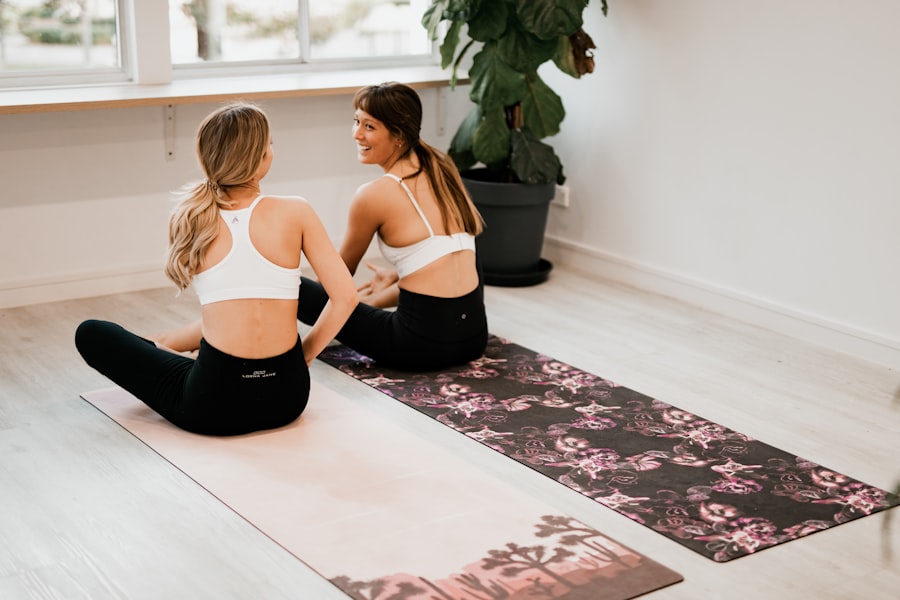
Setting and achieving personal fitness goals is an important aspect of women’s fitness that can lead to a sense of accomplishment and empowerment. When women set specific, measurable, achievable, relevant, and time-bound (SMART) goals for their fitness journey, they create a roadmap for success and progress. Whether it’s running a certain distance, lifting a specific weight, or mastering a new yoga pose, setting clear goals provides motivation and direction.
Moreover, achieving personal fitness goals allows women to experience a sense of pride and confidence in their abilities. As they reach milestones and make progress towards their goals, they gain a greater belief in their potential and capabilities. This sense of achievement can extend beyond the gym or workout space and positively impact other areas of their lives.
Additionally, setting and achieving personal fitness goals fosters a sense of accountability and commitment to one’s well-being. It encourages women to stay focused on their long-term vision for health and wellness while celebrating the small victories along the way. Ultimately, setting and achieving personal fitness goals is an empowering process that allows women to take ownership of their health and well-being while experiencing the satisfaction of reaching new heights in their fitness journey.
The role of community and support is crucial in women’s fitness as it provides encouragement, motivation, and a sense of belonging. Building a supportive community of like-minded individuals who share similar fitness goals can create a positive environment for women to thrive in their wellness journey. Whether it’s through group exercise classes, online fitness communities, or workout buddies, having a support system can make a significant difference in maintaining motivation and accountability.
Furthermore, being part of a supportive community allows women to share experiences, challenges, and successes with others who understand and empathize with their journey. This sense of camaraderie fosters a feeling of connection and solidarity that can help women stay committed to their fitness goals even during challenging times.
Moreover, the role of community and support extends beyond just the physical aspect of fitness. It provides emotional support, encouragement during setbacks, and celebrates achievements along the way. This sense of belonging can greatly impact women’s confidence levels and overall well-being as they navigate their fitness journey with the backing of a supportive community.
In conclusion, physical fitness is deeply intertwined with personal growth for women. Overcoming mental barriers is essential for women’s fitness success as it allows them to break free from societal pressures and negative self-talk. Self-care plays a crucial role in nurturing overall well-being while strength training empowers women to redefine traditional gender norms. Cultivating confidence through mindfulness helps women develop a positive mindset while setting personal fitness goals fosters accountability and achievement. Finally, the role of community support is vital for creating an encouraging environment where women can thrive in their fitness journey.
If you’re looking to improve your personal growth and overall well-being, it’s important to also focus on nurturing your relationships. This article on nurturing relationship growth and development provides valuable insights and tips for building strong, healthy connections with those around you. By prioritizing both your physical and emotional health, you can achieve a more balanced and fulfilling life.


Leave A Comment