Women’s hygiene is crucial for maintaining overall health and well-being. Proper hygiene practices help prevent infections, maintain a healthy reproductive system, and promote self-confidence. Good hygiene habits also contribute to a positive body image and self-esteem. Neglecting women’s hygiene can lead to various health issues such as urinary tract infections, yeast infections, and bacterial vaginosis. […]
read morePregnancy initiates significant physiological changes in a woman’s body from conception onwards. The most visible change is the expansion of the abdomen as the uterus enlarges to accommodate fetal growth. This can cause discomfort and postural adjustments due to increased abdominal weight and size. Hormonal fluctuations during pregnancy can lead to various symptoms, including nausea, […]
read moreRegular exercise is a fundamental component of a healthy lifestyle. It offers numerous benefits, including weight management and reduced risk of chronic diseases such as cardiovascular disorders, diabetes, and hypertension. Consistent physical activity improves muscle strength, endurance, and flexibility. Exercise stimulates the release of endorphins, natural chemicals that elevate mood and alleviate stress and anxiety. […]
read moreUnderstanding your body’s needs is essential for achieving and maintaining optimal health. This involves recognizing individual nutritional requirements, physical capabilities, and recovery needs. Each person’s body is unique, and what works for one individual may not be suitable for another. It is important to pay attention to how your body responds to different foods, exercises, […]
read moreLower belly pain during pregnancy is a common occurrence experienced by many expectant mothers. This discomfort can be attributed to the significant physical changes the body undergoes to accommodate fetal growth. While not all lower belly pain is cause for concern, it is important for pregnant women to understand the various types and potential causes […]
read moreThe female pelvic region is a complex anatomical structure comprising bones, muscles, ligaments, nerves, and organs that support reproductive and urinary functions. The pelvis consists of the hip bones, sacrum, and coccyx, enclosing the uterus, ovaries, fallopian tubes, bladder, and rectum. Pelvic floor muscles provide crucial support for these organs and aid in bowel and […]
read moreFemale abdominal pain is a prevalent symptom that can be attributed to various conditions, both gynecological and non-gynecological in nature. The abdominal region contains numerous vital organs, including the uterus, ovaries, fallopian tubes, bladder, stomach, intestines, and liver. Consequently, abdominal pain in women can stem from multiple sources, such as menstrual cramps, ovarian cysts, urinary […]
read moreMenopause is a natural biological process marking the end of a woman’s menstrual cycles. It is diagnosed after 12 consecutive months without a period and typically occurs in the late 40s or early 50s. During this time, the body undergoes significant hormonal changes, particularly a decrease in estrogen levels. These hormonal fluctuations can lead to […]
read moreMenopause belly fat, or visceral fat, is a common concern for women during and after menopause. This type of fat accumulates around the abdomen and can be challenging to lose. It is not merely a cosmetic issue but also presents significant health risks. The development of menopause belly fat is influenced by hormonal changes, lifestyle […]
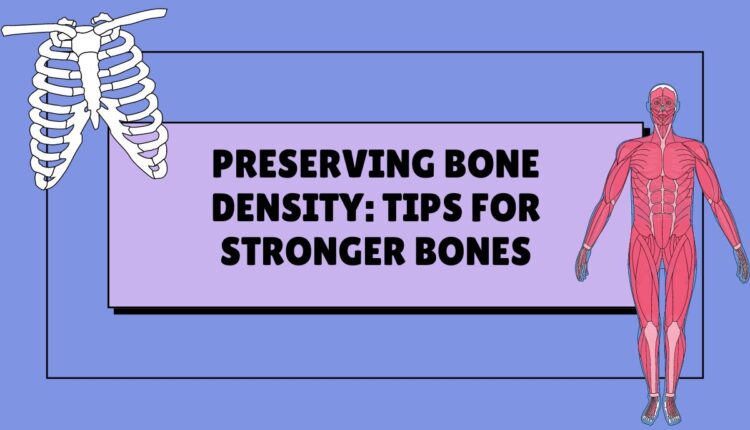
read moreBone density is a measure of the mineral content in bone tissue, indicating the strength and density of bones. It serves as a crucial indicator of overall bone health. Peak bone density typically occurs in early adulthood and gradually declines with age. Factors influencing bone density include genetics, hormonal changes, and lifestyle choices. Low bone […]
read more