Endometriosis is a medical condition characterized by the growth of uterine lining tissue outside the uterus. This abnormal tissue growth can lead to severe pain, particularly during menstruation, sexual intercourse, bowel movements, and urination. The intensity of pain varies among individuals, with some women experiencing debilitating symptoms. Typical pain sensations include sharp, stabbing feelings that […]
read moreProper nutrition is crucial for a healthy pregnancy. Expectant mothers should consume a balanced diet that includes a variety of essential nutrients. Protein, vital for fetal growth and development, can be obtained from lean meats, poultry, fish, eggs, dairy products, and legumes. Carbohydrates, which provide energy, are found in whole grains, fruits, and vegetables. Healthy […]
read moreEndometriosis is a chronic condition characterized by the growth of endometrial-like tissue outside the uterus. This misplaced tissue can cause inflammation, scarring, and the formation of adhesions, leading to various symptoms, most notably pain. The pain associated with endometriosis can range from mild to severe and may occur during menstruation, sexual intercourse, bowel movements, or […]
read moreMenopause is a natural biological process that occurs in women typically between the ages of 45 and 55. It signifies the end of menstrual cycles and reproductive capability. During this transition, the body experiences significant hormonal changes, primarily a reduction in estrogen and progesterone production by the ovaries. These hormonal fluctuations can result in various […]
read moreUnderstanding the menstrual cycle is essential for maintaining reproductive health. The menstrual cycle is a monthly process in a woman’s body that prepares for potential pregnancy. Hormones regulate this cycle, which typically lasts about 28 days but can vary among individuals. The cycle consists of four phases: menstruation, follicular phase, ovulation, and luteal phase. Menstruation […]
read morePolycystic Ovary Syndrome (PCOS) is a prevalent hormonal disorder affecting women of reproductive age. It is characterized by an imbalance in reproductive hormones, leading to symptoms such as irregular menstrual cycles, elevated androgen levels, and polycystic ovaries. PCOS can result in infertility, weight gain, and increased risk of diabetes and cardiovascular disease. While the exact […]
read moreMenopause is a natural biological process that marks the end of a woman’s menstrual cycles. It typically occurs in women in their late 40s to early 50s, and is characterized by a decrease in the production of estrogen and progesterone hormones by the ovaries. This hormonal shift can lead to a variety of symptoms, including […]
read morePolycystic Ovary Syndrome (PCOS) is a common hormonal disorder affecting women of reproductive age. It is characterized by an imbalance of reproductive hormones, leading to symptoms such as irregular periods, infertility, and ovarian cysts. The exact cause of PCOS is not fully understood, but it is believed to result from a combination of genetic and […]
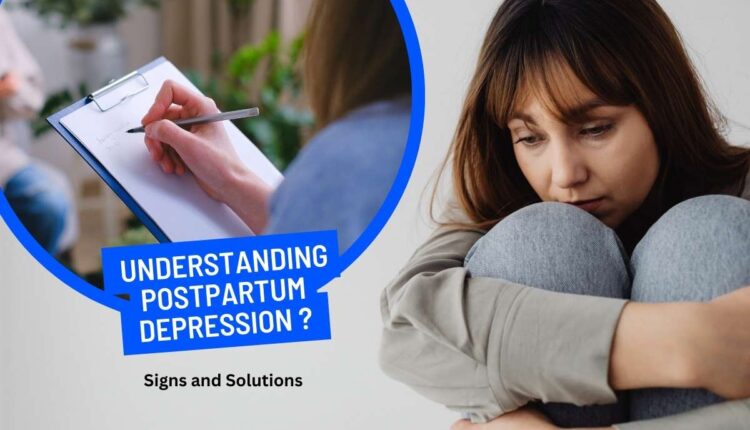
read morePostpartum depression (PPD) is a mood disorder that affects women after childbirth. Unlike the temporary “baby blues,” PPD can occur within the first year postpartum and significantly impacts a woman’s ability to function and care for herself and her baby. PPD is a medical condition requiring treatment, not a sign of weakness or character flaw. […]
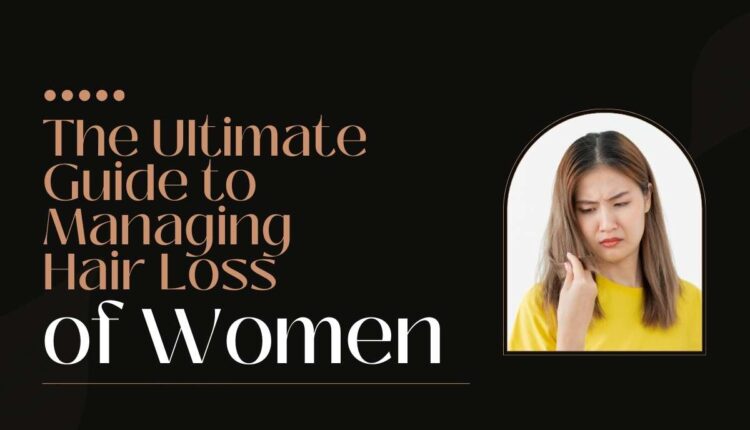
read moreHair loss of women can be distressing and is more common than many realize. It can manifest in various ways, such as overall thinning, a widening part line, or bald patches. Factors like genetics, hormonal changes, stress, and certain medical conditions can contribute to hair loss. Understanding the underlying causes is key to finding effective […]
read more