
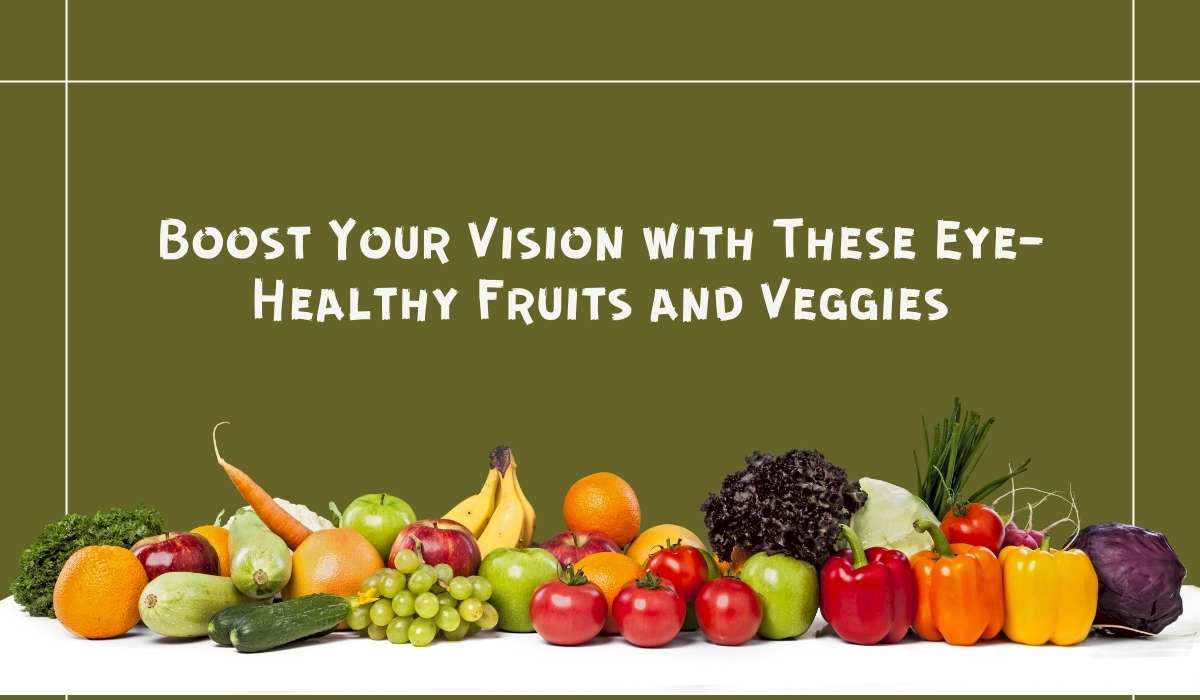
Maintaining good eye health is crucial for overall well-being, and consuming a diet rich in eye-healthy fruits and vegetables is an essential component of achieving this goal. Fruits and vegetables contain essential vitamins, minerals, and antioxidants that play a significant role in promoting good vision and preventing eye diseases. These nutrients include vitamin C, vitamin E, beta-carotene, lutein, zeaxanthin, and zinc, which have been scientifically linked to reducing the risk of age-related macular degeneration, cataracts, and other eye conditions.
Incorporating a variety of colorful fruits and vegetables into one’s diet provides the eyes with the necessary nutrients for optimal health and function. Consuming eye-healthy fruits and vegetables not only helps prevent eye diseases but also supports proper eye function and overall eye health. The antioxidants found in these foods protect the eyes from damage caused by harmful free radicals, while the vitamins and minerals support the production of healthy cells and tissues in the eyes.
Many eye-healthy fruits and vegetables also possess anti-inflammatory properties, which can help reduce the risk of chronic eye conditions and promote overall eye comfort. By prioritizing eye-healthy fruits and vegetables in one’s diet, individuals can take proactive steps to protect their vision and maintain good eye health for the long term.
When it comes to promoting good eye health, certain fruits stand out for their exceptional nutritional benefits. One of the top fruits for eye health is blueberries, which are packed with antioxidants such as anthocyanins that have been shown to improve night vision and protect against age-related macular degeneration. Another standout fruit is oranges, which are rich in vitamin C, a powerful antioxidant that supports the health of blood vessels in the eyes and may reduce the risk of cataracts.
Additionally, kiwi is an excellent fruit for eye health, as it contains high levels of vitamin C, vitamin E, and lutein, all of which contribute to maintaining healthy vision and protecting against eye diseases. Another fruit that should be included in an eye-healthy diet is strawberries, which are loaded with vitamin C and other antioxidants that help protect the eyes from oxidative stress and inflammation.
Furthermore, papaya is a tropical fruit that is rich in vitamin C, vitamin E, and beta-carotene, all of which are essential for maintaining good eye health and preventing age-related vision loss.
Lastly, incorporating grapes into your diet can also benefit your eyes, as they contain resveratrol, a powerful antioxidant that has been shown to protect retinal cells from damage and reduce the risk of diabetic retinopathy. By including these top fruits for eye health in your diet, you can provide your eyes with the nutrients they need to stay healthy and function at their best.
In addition to fruits, vegetables are also essential for promoting good eye health and preventing eye diseases. One of the top vegetables for eye health is carrots, which are rich in beta-carotene, a precursor to vitamin A that is essential for maintaining good vision and preventing night blindness. Another standout vegetable is spinach, which is loaded with lutein and zeaxanthin, two antioxidants that have been shown to reduce the risk of age-related macular degeneration and cataracts.
Additionally, bell peppers are an excellent choice for eye health, as they contain high levels of vitamin C, vitamin E, and beta-carotene, all of which contribute to protecting the eyes from oxidative damage and supporting overall eye function. Another vegetable that should be included in an eye-healthy diet is sweet potatoes, which are packed with beta-carotene, vitamin E, and vitamin C, all of which play a crucial role in maintaining good vision and preventing eye diseases. Furthermore, broccoli is a nutrient-dense vegetable that is rich in vitamin C, vitamin E, and lutein, making it an excellent choice for supporting healthy eyes and reducing the risk of age-related vision loss.
Lastly, incorporating kale into your diet can also benefit your eyes, as it is a rich source of lutein and zeaxanthin, as well as vitamins A and C, all of which are essential for promoting good eye health and protecting against eye conditions. By including these top vegetables for eye health in your diet, you can ensure that your eyes receive the nutrients they need to stay healthy and function optimally.
| Fruit/Vegetable | Benefits | Ideas for Incorporating |
|---|---|---|
| Carrots | Rich in beta-carotene, good for eye health | Carrot sticks with hummus, grated carrots in salads |
| Spinach | High in lutein and zeaxanthin, protect against eye diseases | Spinach salad, sautéed spinach with garlic |
| Blueberries | Contain anthocyanins, improve night vision | Blueberry smoothies, mixed with yogurt |
| Oranges | Rich in vitamin C, reduce risk of cataracts | Fresh orange juice, orange slices in fruit salad |
Incorporating eye-healthy fruits and vegetables into your diet can be easy and delicious with the right recipes and ideas. For a refreshing and nutritious snack, try making a fruit salad with a mix of blueberries, strawberries, kiwi, and grapes. You can also blend these fruits together with some yogurt to make a delicious smoothie that is packed with vitamins and antioxidants.
Another idea is to incorporate oranges into your morning routine by squeezing fresh orange juice or adding orange slices to your breakfast bowl or yogurt. When it comes to incorporating eye-healthy vegetables into your meals, consider making a colorful salad with spinach, bell peppers, carrots, and kale. You can also roast sweet potatoes and broccoli with a drizzle of olive oil and your favorite herbs for a flavorful side dish that is rich in nutrients.
Additionally, try adding sautéed bell peppers and spinach to omelets or frittatas for a nutritious and eye-healthy breakfast option. By getting creative with recipes and ideas for incorporating eye-healthy fruits and vegetables into your diet, you can enjoy delicious meals while supporting your eye health.
To maximize the nutritional benefits of eye-healthy fruits and vegetables, there are several tips to keep in mind. First, opt for fresh or frozen fruits and vegetables whenever possible, as they retain more nutrients compared to canned options. When cooking or preparing fruits and vegetables, try to minimize the use of added fats or sugars to keep their nutritional value intact.
Additionally, aim to consume a variety of colorful fruits and vegetables to ensure that you are getting a wide range of vitamins, minerals, and antioxidants that support good eye health. Another tip is to consider different cooking methods such as steaming or roasting instead of boiling or frying, as these methods help preserve the nutrients in fruits and vegetables. Furthermore, consider growing your own fruits and vegetables at home if possible, as this ensures that you have access to fresh produce that is free from harmful pesticides or chemicals.
Lastly, consider incorporating eye-healthy fruits and vegetables into every meal and snack throughout the day to ensure that you are consistently providing your eyes with the nutrients they need to stay healthy. By following these tips, you can maximize the nutritional benefits of eye-healthy fruits and vegetables and support your overall eye health.
Regular exercise is essential, as physical activity has been linked to reducing the risk of age-related macular degeneration and other eye conditions. Furthermore, getting regular eye exams is vital for maintaining good vision and detecting any potential issues early on.
It is also important to protect your eyes from harmful UV rays by wearing sunglasses when outdoors and taking breaks from screens to reduce digital eye strain. Additionally, managing chronic conditions such as diabetes or high blood pressure is crucial, as these conditions can have a significant impact on eye health.
Getting enough sleep is essential for supporting overall eye function and reducing the risk of dry eyes or other discomforts. Moreover, avoiding smoking and limiting alcohol consumption can also contribute to maintaining good vision and preventing eye diseases. By considering these lifestyle factors in addition to consuming an eye-healthy diet, you can take proactive steps to support your overall eye health.
In conclusion, incorporating eye-healthy fruits and vegetables into your diet is essential for maintaining good vision and preventing eye diseases. By consuming a variety of colorful fruits such as blueberries, oranges, kiwi, strawberries, papaya, and grapes, as well as incorporating vegetables like carrots, spinach, bell peppers, sweet potatoes, broccoli, and kale into your meals, you can provide your eyes with the essential nutrients they need to stay healthy. By following recipes and ideas for incorporating these foods into your diet while maximizing their nutritional benefits through various tips, you can support your overall eye health.
In addition to consuming an eye-healthy diet, considering other lifestyle factors such as regular exercise, getting regular eye exams, protecting your eyes from UV rays, managing chronic conditions, getting enough sleep, avoiding smoking, and limiting alcohol consumption can further contribute to maintaining good vision. By making eye-healthy fruits and vegetables a priority in your daily life while considering these lifestyle factors, you can take proactive steps to protect your vision and enjoy good eye health for years to come.
If you’re looking to improve your eye health, it’s important to incorporate plenty of fruits and vegetables into your diet. According to a recent article from Kngel, certain fruits and vegetables such as carrots, spinach, and citrus fruits are packed with essential nutrients like vitamin A, C, and E, which are known to promote good eye health and protect against age-related vision problems. Making these foods a regular part of your diet can help keep your eyes healthy and functioning at their best.


Leave A Comment