
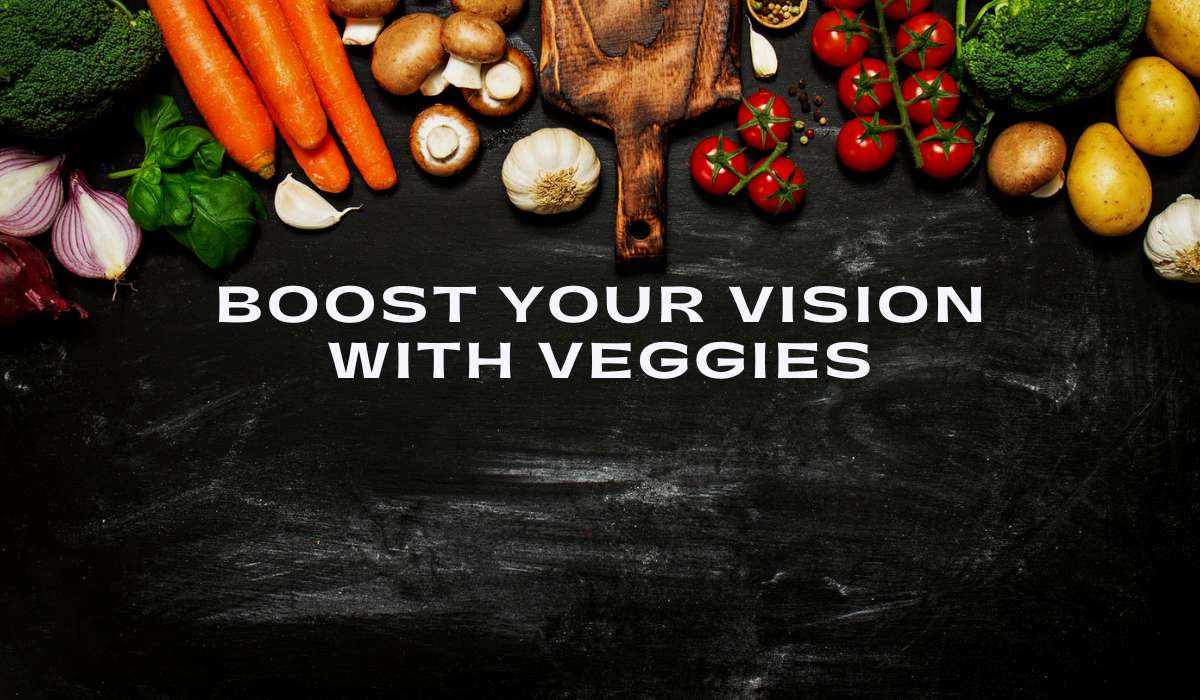
Maintaining a balanced diet is essential for overall health, including eye health. A diet rich in various nutrients, such as vitamins, minerals, and antioxidants, supports and protects vision. Vegetables are particularly important for eye health due to their high content of essential nutrients like vitamins A, C, and E, as well as antioxidants such as lutein and zeaxanthin.
These nutrients help protect against age-related macular degeneration, cataracts, and other eye conditions. A balanced diet that includes a variety of vegetables can also reduce the risk of chronic diseases like diabetes and high blood pressure, which negatively impact eye health. Incorporating a wide range of vegetables into one’s diet can help maintain a healthy weight, which is important for reducing the risk of developing conditions that affect vision, such as diabetes and high blood pressure.
Consuming a balanced diet with plenty of vegetables supports overall body health, including the cardiovascular system, which in turn benefits eye health. A diet rich in vegetables is crucial for maintaining optimal eye health and reducing the risk of developing eye conditions as one ages.
Carrots are perhaps the most well-known vegetable for eye health due to their high levels of beta-carotene, which the body converts into vitamin A. Vitamin A is essential for good vision, as it helps the eyes adjust to light changes and supports overall eye health.
Spinach is another powerhouse vegetable for eye health, as it contains high levels of lutein and zeaxanthin, two antioxidants that are known to protect the eyes from harmful light and reduce the risk of age-related macular degeneration.
Sweet potatoes are also a top vegetable for improved vision, as they are rich in beta-carotene and vitamin E, both of which are important for maintaining healthy eyes. Bell peppers are another excellent choice for eye health, as they are packed with vitamin C, which is known to support the blood vessels in the eyes and reduce the risk of cataracts. Lastly, broccoli is a vegetable that should not be overlooked when it comes to eye health, as it contains high levels of vitamin C and lutein, making it a great addition to any diet aimed at improving and maintaining good vision.
Vegetables are packed with essential nutrients that support and promote good eye health. One of the most important nutrients found in vegetables is vitamin A, which is crucial for maintaining good vision. Vitamin A helps protect the cornea and is a component of rhodopsin, a protein in the eyes that allows us to see in low light conditions.
Additionally, vegetables like spinach and kale contain high levels of lutein and zeaxanthin, two antioxidants that are known to protect the eyes from harmful light and reduce the risk of age-related macular degeneration. Vitamin C is another important nutrient found in vegetables that supports eye health by promoting healthy blood vessels in the eyes and reducing the risk of cataracts. Vitamin E is also essential for maintaining good vision, as it helps protect cells in the eyes from damage caused by free radicals.
Furthermore, vegetables like bell peppers and sweet potatoes are rich in beta-carotene, which the body converts into vitamin A and is important for overall eye health. By incorporating a variety of vegetables into your diet, you can ensure that you are getting a wide range of essential nutrients that support and promote good vision.
| Vegetable | Serving Size | Calories | Fiber (g) |
|---|---|---|---|
| Spinach | 1 cup | 7 | 0.7 |
| Broccoli | 1 cup | 55 | 2.4 |
| Carrots | 1 cup | 52 | 3.6 |
| Bell Peppers | 1 cup | 46 | 2.5 |
Incorporating more vegetables into your diet doesn’t have to be difficult or time-consuming. One simple way to increase your vegetable intake is to include them in every meal. For example, adding spinach or bell peppers to your morning omelet, including a side salad with lunch, and roasting a variety of vegetables to accompany your dinner are all easy ways to ensure you are getting plenty of veggies throughout the day.
Another tip for incorporating more vegetables into your diet is to make them the star of the show by creating vegetable-based dishes like stir-fries, soups, and salads that are both delicious and nutritious. Additionally, experimenting with different cooking methods such as grilling, roasting, steaming, or sautéing can help bring out the natural flavors of vegetables and make them more appealing. It’s also helpful to keep a variety of fresh and frozen vegetables on hand so that you always have options available when preparing meals.
Lastly, involving your family in meal planning and preparation can make incorporating more veggies into your diet a fun and collaborative experience. By following these tips, you can easily increase your vegetable intake and reap the many benefits they offer for eye health and overall well-being.
There are countless delicious recipes and meal ideas that incorporate an abundance of vegetables to support eye health. One simple yet flavorful dish is roasted vegetable medley, which involves tossing a variety of vegetables such as bell peppers, zucchini, carrots, and onions with olive oil, salt, and pepper before roasting them in the oven until they are tender and caramelized. Another tasty option is vegetable stir-fry, which involves quickly cooking an assortment of colorful vegetables like broccoli, snap peas, bell peppers, and mushrooms in a flavorful sauce made from ingredients like soy sauce, garlic, ginger, and sesame oil.
For those who prefer soups, a hearty vegetable soup packed with nutrient-rich ingredients like tomatoes, carrots, celery, and spinach is a comforting and nutritious option. Additionally, salads can be a great way to incorporate a variety of vegetables into your diet by combining fresh greens with colorful additions like cherry tomatoes, cucumbers, radishes, and avocado. Lastly, smoothies are an easy way to sneak in extra veggies by blending leafy greens like spinach or kale with fruits like bananas, berries, and mango for a refreshing and nutrient-dense beverage.
By trying out these recipes and meal ideas, you can enjoy delicious dishes while supporting your eye health with an array of nutrient-packed vegetables.
Regular exercise is crucial for promoting good circulation throughout the body, including the eyes. Engaging in physical activity can help reduce the risk of developing conditions like diabetes and high blood pressure that can have negative effects on vision.
Protecting your eyes from harmful UV rays by wearing sunglasses when outdoors can help prevent damage to the eyes and reduce the risk of developing cataracts. Getting regular eye exams is also crucial for maintaining optimal vision and catching any potential issues early on.
Practicing good hygiene by washing your hands regularly and avoiding touching your eyes can help prevent the spread of infections that can affect eye health. By considering these lifestyle factors in addition to maintaining a balanced diet rich in vegetables, you can support your overall eye health and reduce the risk of developing vision-related issues.
While incorporating more vegetables into your diet and considering other lifestyle factors can support good vision and overall eye health, it’s important to consult with a healthcare professional for personalized guidance. An optometrist or ophthalmologist can provide comprehensive eye exams to assess your vision and identify any potential issues that may require treatment or management. They can also offer tailored recommendations for maintaining optimal eye health based on your individual needs and any existing conditions.
Additionally, a registered dietitian or nutritionist can provide expert advice on creating a balanced diet that includes plenty of vegetables to support good vision. They can help you identify specific nutrients that may be lacking in your current diet and suggest ways to incorporate more vegetables into your meals. By working with healthcare professionals, you can ensure that you are taking the necessary steps to support your eye health and address any concerns or questions you may have about maintaining good vision.
Overall, consulting with healthcare professionals is an important part of prioritizing your eye health and well-being.
Eating a diet rich in vegetables is essential for maintaining good eyesight. According to a recent article on kngel.com, women’s health after the age of 50 is particularly important, and incorporating a variety of colorful vegetables into their diet can help support their vision as they age. This is just one of the many ways that prioritizing a healthy diet can contribute to overall well-being.


Leave A Comment