

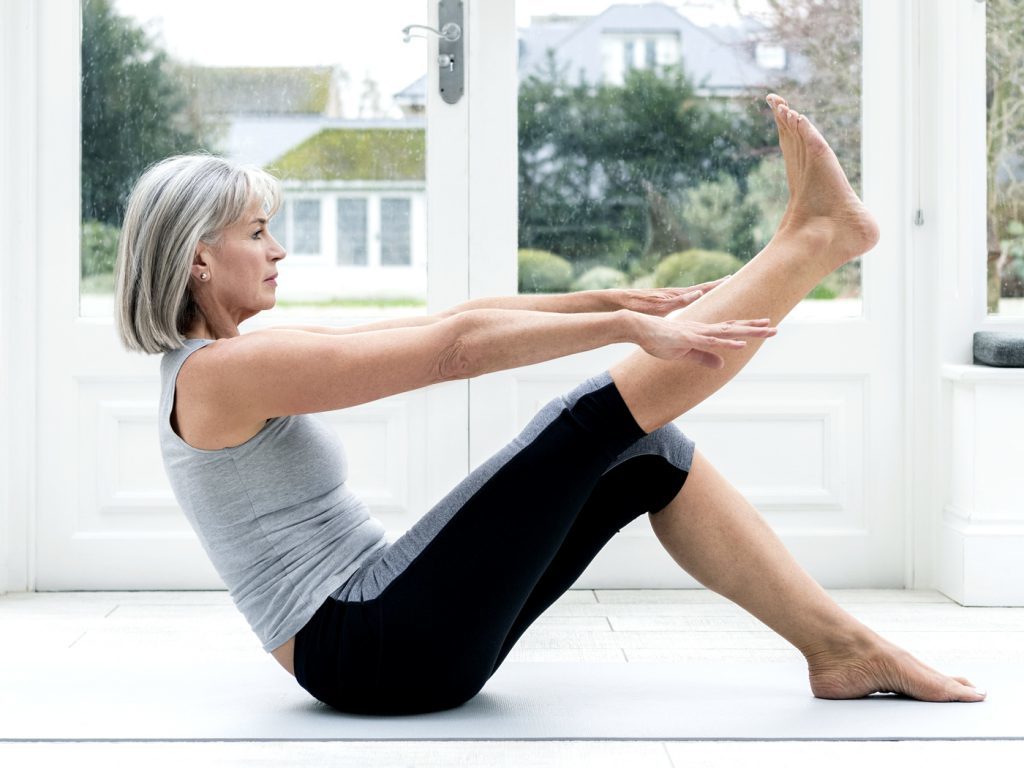
Maintaining good joint health is crucial for everyone, but it holds particular significance for women due to various factors such as hormonal changes, pregnancy, and menopause. Women are often more prone to joint issues like arthritis and osteoporosis as they age. Healthy joints are essential for maintaining an active lifestyle and overall well-being. Ensuring optimal joint health can help women stay mobile, independent, and pain-free as they age.
Engaging in regular fitness activities plays a vital role in preserving joint health for women of all ages. Exercise helps strengthen muscles around the joints, improves flexibility, and enhances overall joint function. Here are some key benefits of fitness in maintaining joint health for women:
In the following sections, we will delve deeper into common joint health issues in women, explore the best exercises for joint health, provide tips for preventing injuries during exercise, and discuss the importance of nutrition and supplements for maintaining healthy joints. Let’s empower women to prioritize their joint health through fitness and wellness practices.

Arthritis is a prevalent joint health issue that affects a significant number of women worldwide. It is characterized by inflammation and swelling in the joints, leading to pain, stiffness, and reduced mobility. Women are more likely to develop arthritis, with conditions like rheumatoid arthritis and osteoarthritis being more common among them. Here are some key points to consider regarding arthritis in women:
Osteoporosis is another critical issue related to joint health, especially for women as they age. This condition causes bones to become weak and brittle, increasing the risk of fractures and impacting joint health. Women are more prone to osteoporosis due to hormonal changes during menopause. Here are key insights into osteoporosis and its relationship to joint health:
Understanding these common joint health issues in women is crucial for implementing preventive measures and seeking appropriate medical care. In the upcoming sections, we will explore the best exercises for promoting joint health and preventing injuries during physical activity.
When it comes to improving joint health, low-impact cardio workouts are highly beneficial for women. These exercises provide cardiovascular benefits without putting excessive strain on the joints, making them ideal for individuals with joint issues or those looking to prevent injuries. Here are some key points to consider regarding low-impact cardio workouts for joint health:
In addition to cardio workouts, incorporating strength training into a fitness routine is essential for maintaining joint health in women. Strengthening the muscles around the joints can help provide better support, stability, and protection against injuries. Here are the key benefits of strength training for joint support:
By incorporating a blend of low-impact cardio workouts and strength training exercises into their routine, women can take proactive steps towards preserving their joint health and staying active for years to come. In the following section, we will discuss essential tips for preventing joint injuries during exercise to ensure safe and effective workouts.
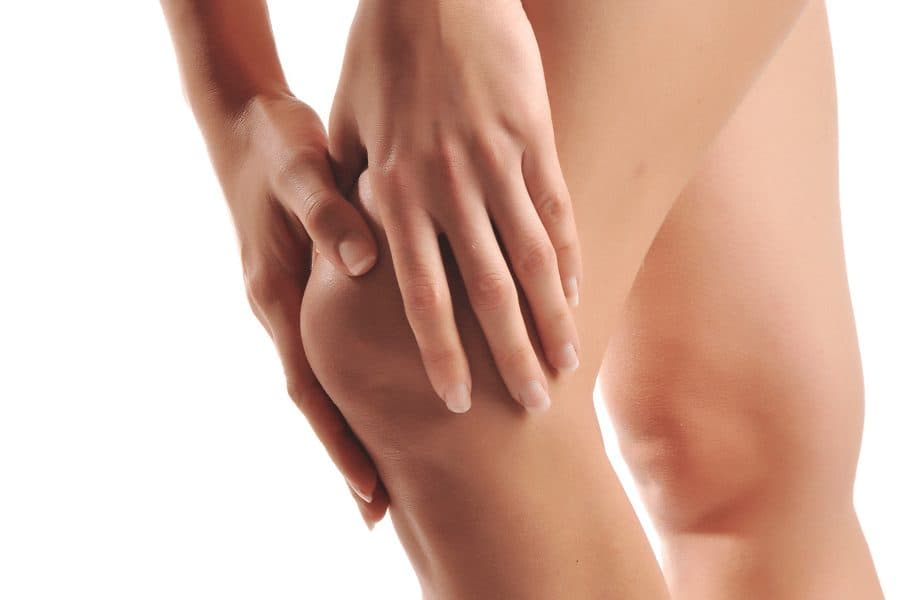
One of the most crucial aspects of injury prevention during exercise is ensuring that proper warm-up and cool-down techniques are incorporated into your routine. These practices help prepare the body for physical activity and aid in recovery post-workout, reducing the risk of joint injuries. Here are some key tips for effective warm-up and cool-down sessions to protect your joints:
Maintaining proper form during exercise and using the right equipment are essential factors in preventing joint injuries and ensuring a safe workout experience. Incorrect form and improper equipment can place undue stress on the joints, leading to pain and potential injuries. Here are some tips to keep in mind for using proper form and equipment to safeguard your joints:
By implementing these tips for preventing joint injuries during exercise, women can enjoy safe, effective workouts that promote overall joint health and well-being. In the subsequent section, we will explore the role of nutrition and supplements in supporting joint health for women.
Nutrition plays a significant role in supporting joint health, and incorporating essential nutrients like omega-3 fatty acids into your diet can have positive effects on joint function and inflammation. Omega-3s are known for their anti-inflammatory properties, which can help ease joint pain and reduce stiffness. Here are key points highlighting the importance of omega-3 fatty acids for joint health:
In addition to omega-3 fatty acids, ensuring adequate intake of vitamin D and calcium is vital for supporting joint health, particularly in women who are at higher risk of bone-related conditions like osteoporosis. Vitamin D plays a crucial role in calcium absorption, which is essential for bone strength and joint support. Here are key insights into the benefits of vitamin D and calcium for joint health:
By incorporating foods rich in omega-3 fatty acids, vitamin D, and calcium into their diets, women can support their joint health and overall well-being. In the concluding section, we will summarize the key points discussed and emphasize the importance of promoting long-term joint health through fitness, nutrition, and preventive measures.
As we conclude this discussion on women’s joint health, it is essential to recap the key points highlighted throughout this article. Understanding the significance of joint health in women and implementing strategies to support optimal joint function is crucial for maintaining an active and pain-free lifestyle. Here are the key takeaways:
By prioritizing fitness, nutrition, and injury prevention strategies, women can promote long-term joint health and overall well-being. Regular exercise not only strengthens muscles and improves joint function but also enhances mobility and quality of life. Investing in a holistic approach to joint health, incorporating a variety of exercises, proper nutrition, and preventive measures, can empower women to take control of their joint health and enjoy an active lifestyle for years to come. Remember, joint health is a lifelong journey that requires dedication and care. By adopting healthy habits, seeking professional guidance when needed, and staying proactive in maintaining joint health, women can navigate aging gracefully and continue to stay strong, mobile, and independent. Here’s to vibrant joint health and wellness for all women!


Leave A Comment