In today’s fast-paced world, prioritizing health and fitness is more important than ever. For couples, engaging in fitness activities together can not only improve their physical well-being but also strengthen their bond. Here are some key reasons why fitness is crucial for couples:
Promotes Mutual Support: Working out together creates a support system where couples can motivate each other to stay on track and achieve their fitness goals.
Increases Intimacy: Sharing a workout experience can lead to a deeper emotional connection and a sense of togetherness.
Boosts Energy Levels: Regular exercise improves stamina and energy, enabling couples to tackle daily challenges with vitality.
Enhances Overall Well-being: Fitness routines contribute to reducing stress, improving mood, and enhancing mental clarity.
Challenges Faced by Busy Couples
Despite recognizing the benefits of staying fit as a couple, busy schedules and commitments often pose challenges. Here are some common obstacles faced by couples in maintaining a healthy lifestyle:
Time Constraints: Juggling work, household responsibilities, and social engagements leaves limited time for dedicated fitness activities.
Lack of Motivation: Demanding routines can lead to a lack of motivation, making it difficult to prioritize exercise.
Unbalanced Priorities: Focusing on work and family responsibilities may overshadow the importance of self-care and fitness.
Difficulty in Coordination: Finding a mutual time slot for workouts that fits both partners’ schedules can be a struggle.
Finding a balance between these challenges and the benefits of couple’s fitness is essential for a harmonious and healthy relationship.
Source: wrcameronwellness.org
Setting Realistic Fitness Goals
Identifying Individual Needs and Priorities
Before embarking on a fitness journey as a couple, it’s crucial to understand each other’s individual fitness needs and priorities. Here are some steps to help identify and align personal goals:
Open Communication: Discuss personal health goals, preferences, and any physical limitations openly with your partner.
Self-Assessment: Evaluate your current fitness level, preferences for workout styles, and areas you want to improve.
Respect Differences: Acknowledge that each partner may have unique fitness preferences and needs that should be respected.
Set Realistic Expectations: Ensure that goals are challenging yet achievable within your current lifestyle and constraints.
Establishing Shared Fitness Goals
Once individual needs are understood, it’s time to establish shared fitness goals that can be pursued together. Here’s how you can align your goals as a couple:
Common Objectives: Identify common areas where both partners want to improve, such as stamina, strength, flexibility, or weight management.
Define Clear Objectives: Set specific and measurable goals like participating in a certain number of workouts per week or achieving a particular fitness milestone.
Create a Timeline: Establish a timeline for achieving these goals, considering realistic timeframes and potential obstacles.
Celebrate Progress: Regularly celebrate achievements as a couple to stay motivated and reinforce a sense of accomplishment.
By aligning individual needs and shared objectives, couples can create a solid foundation for their fitness journey and support each other in achieving tangible results.
Source: image.marriage.com
Planning Workouts Together
Scheduling Exercise Sessions
Effective time management is key when it comes to incorporating workouts into a busy couple’s routine. Here are some strategies to help schedule exercise sessions efficiently:
Sync Calendars: Coordinate schedules to find suitable time slots where both partners can commit to working out together.
Prioritize Consistency: Establish a regular workout schedule to build a habit and ensure continuity in your fitness efforts.
Flexibility: Be open to adjusting workout times if unexpected commitments arise, but aim to maintain consistency.
Set Reminders: Use reminders on your phones or shared calendars to stay accountable and avoid missing planned exercise sessions.
Trying Partner Workouts for Motivation
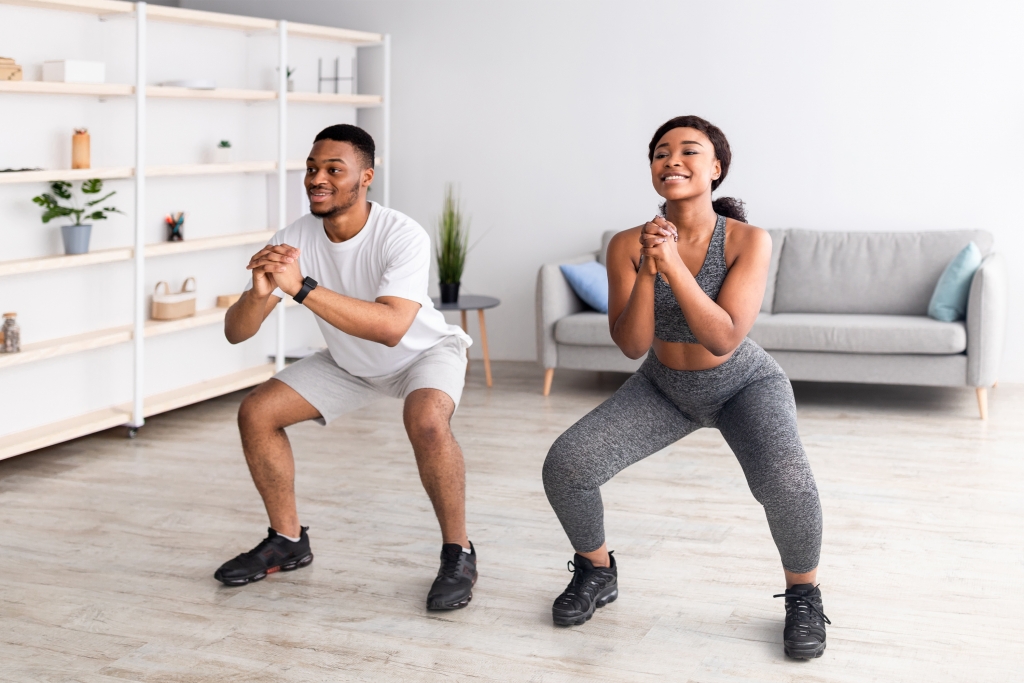
Engaging in partner workouts can inject enthusiasm and motivation into the fitness journey of couples. Here are some benefits of trying partner workouts together:
Boost Mutual Motivation: Exercising with your partner can provide encouragement and accountability, pushing you to give your best effort.
Enhanced Bonding: Sharing a physical activity can deepen your emotional connection and create shared experiences.
Friendly Competition: Healthy competition can spur both partners to improve and reach new fitness milestones.
Variety in Workouts: Partner exercises introduce diversity into your routine, making workouts more engaging and enjoyable.
By scheduling and participating in exercise sessions together, couples can not only enhance their physical well-being but also strengthen their relationship through shared experiences and mutual support.
Source: www.geranium.com
Incorporating Healthy Habits into Daily Routine
Meal Prepping and Planning
Nutrition plays a crucial role in maintaining overall health and supporting fitness goals for couples. Here are some tips for incorporating meal prepping and planning into your daily routine:
Plan Ahead: Set aside time to plan meals for the week, taking into account nutritional balance and portion sizes.
Prepare Together: Engage in meal prep together as a couple to distribute tasks, share responsibilities, and foster teamwork.
Batch Cooking: Cook in bulk and store pre-portioned meals for convenience, ensuring that healthy options are readily available.
Healthy Snacking: Stock up on nutritious snacks like fruits, nuts, or yogurt to curb cravings and avoid unhealthy food choices.
Staying Active Throughout the Day
Besides structured exercise sessions, staying active throughout the day is essential for overall well-being. Here are some simple ways for couples to incorporate more movement into their daily routine:
Take Active Breaks: Incorporate short walks or stretching breaks during work hours to break up sedentary periods.
Opt for Active Commuting: Walk or cycle together whenever feasible, instead of relying solely on vehicles for transportation.
Household Chores: Divide household tasks equally and approach chores as opportunities for physical activity.
Outdoor Activities: Explore outdoor hobbies like hiking, biking, or gardening that keep you active while enjoying nature.
By intertwining healthy eating habits and staying active throughout the day into their daily routine, couples can establish a holistic approach to wellness that complements their fitness goals and promotes long-term health benefits.
Exploring diverse physical activities as a couple can infuse excitement and variety into your fitness routine. Here are some ways you can make fitness a fun experience by trying new activities together:
Dance Classes: Embark on salsa, ballroom, or Zumba classes for a lively and rhythmic workout session.
Outdoor Adventures: Engage in activities like kayaking, paddleboarding, or rock climbing for an adrenaline-pumping experience.
Group Fitness: Join group fitness classes like spinning, yoga, or Pilates to challenge yourselves in a social setting.
Sports Participation: Play a sport together such as tennis, badminton, or swimming to combine fitness with friendly competition.
Celebrating Milestones and Achievements
Recognizing and celebrating milestones and achievements in your fitness journey can create a sense of accomplishment and motivation for continued progress. Here’s how you can celebrate your fitness successes together:
Reward System: Establish a rewards system for reaching milestones, such as a relaxing spa day or a special date night.
Create a Fitness Journal: Document progress, achievements, and memorable moments in a shared fitness journal as a reminder of your accomplishments.
Plan a Fitness Challenge: Set a mutual fitness challenge or goal and celebrate together upon successful completion.
Share Achievements: Post about your fitness milestones on social media or with friends and family to share your accomplishments.
By embracing new activities together and celebrating every step of the fitness journey, couples can transform exercise from a routine task into an enjoyable and rewarding experience that strengthens their bond and motivates them to achieve even greater heights.
Prioritizing Rest and Recovery
Importance of Quality Sleep
Rest and recovery are essential components of a holistic approach to fitness and well-being for couples. Here’s why prioritizing quality sleep is crucial for optimal health:
Physical Recovery: Adequate sleep is crucial for muscle repair, hormone regulation, and overall physical recovery after workouts.
Mental Clarity: Quality sleep enhances cognitive function, memory consolidation, and decision-making abilities, vital for achieving fitness goals.
Immune Function: Sleep plays a significant role in maintaining a robust immune system, reducing the risk of illnesses that can derail your fitness progress.
Mood Regulation: Proper rest improves mood stability, emotional resilience, and stress management, fostering a positive mindset for healthy living.
Relaxation Techniques for Stress Management
Incorporating relaxation techniques into your routine can promote overall well-being and aid in stress management, complementing your fitness efforts. Here are some effective relaxation strategies for busy couples:
Mindfulness Meditation: Practice mindfulness meditation together to reduce stress, increase self-awareness, and promote relaxation.
Yoga and Stretching: Engage in yoga sessions or gentle stretching exercises to unwind, improve flexibility, and release tension.
Deep Breathing Exercises: Incorporate deep breathing techniques to calm the mind, enhance oxygen flow, and reduce stress levels.
Quality Time: Allocate moments for quality time together, engaging in activities that bring joy and relaxation, such as reading, listening to music, or taking a nature walk.
By recognizing the importance of rest, prioritizing quality sleep, and incorporating relaxation techniques into their daily routine, couples can support their overall health, optimize their fitness endeavors, and foster a harmonious balance between physical activity and relaxation for a well-rounded wellness approach.
Conclusion
Summary of Fitness Tips for Busy Couples
Incorporating fitness into the lives of busy couples is not only achievable but also rewarding in many aspects. Throughout this guide, we have explored various strategies and tips to help couples prioritize health and wellness amidst their hectic schedules. Here is a summary of key fitness tips for busy couples:
Identify Individual and Shared Goals: Understand each other’s fitness needs and establish common objectives to work towards together.
Plan and Schedule Together: Coordinate workout sessions, meal prepping, and relaxation activities as a team to stay committed and consistent.
Try New Activities: Experiment with different physical activities and partner workouts to keep fitness engaging and enjoyable.
Celebrate Milestones: Acknowledge and celebrate achievements in your fitness journey to stay motivated and connected as a couple.
Encouragement to Prioritize Health and Wellness Together
As partners in both life and fitness, prioritizing health and wellness together can strengthen your relationship while improving your overall quality of life. We encourage busy couples to:
Communicate Openly: Exchange ideas, concerns, and aspirations regarding health and fitness to establish a supportive environment.
Support Each Other: Offer encouragement, motivation, and accountability to help each other stay on track with fitness goals.
Adapt and Evolve: Embrace flexibility and adaptability in your fitness journey, adjusting routines as needed to fit changing circumstances.
Make Time for Self-Care: Remember to prioritize self-care, rest, and relaxation alongside your fitness efforts to achieve a balanced lifestyle.
By embracing these tips and committing to making health and wellness a shared priority, busy couples can not only enhance their physical fitness but also nurture a stronger bond, mutual support, and a lasting commitment to living a healthy and fulfilling life together.







Leave A Comment