
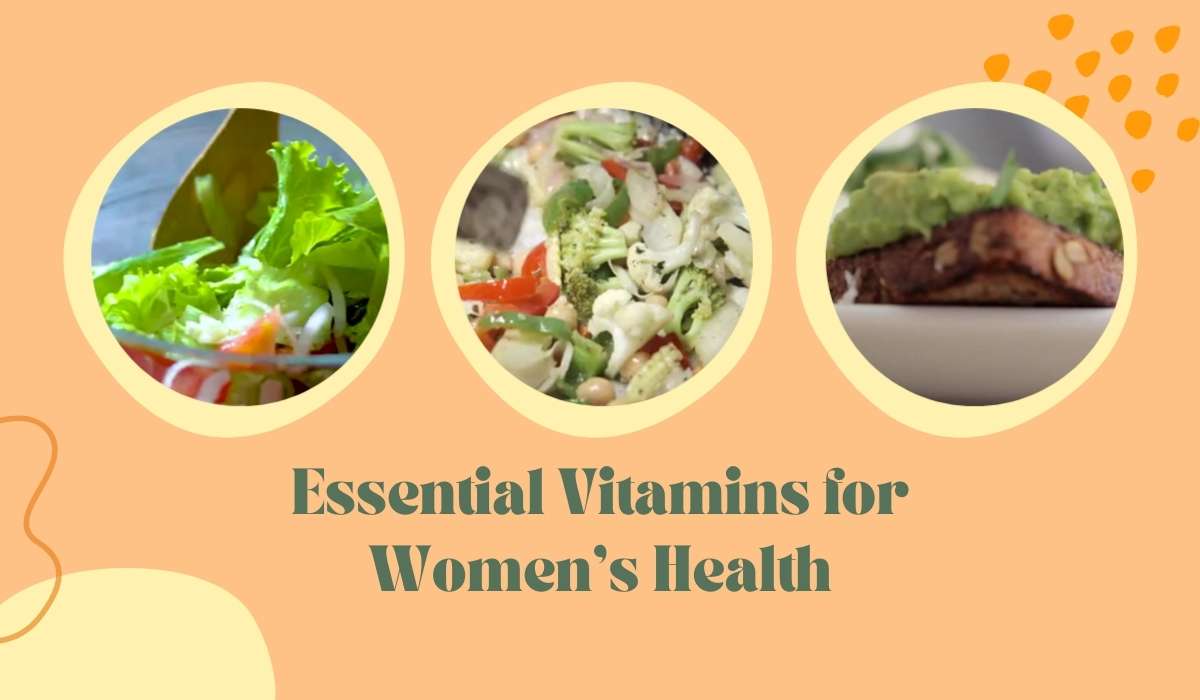
Vitamins are essential nutrients that play a crucial role in maintaining overall health and well-being. For women, obtaining adequate amounts of vitamins is vital for various bodily functions, including bone health, immune function, energy metabolism, and reproductive health. Women have specific nutritional requirements that may vary during different life stages such as pregnancy, lactation, and menopause.
Consequently, it is important for women to monitor their vitamin intake and ensure they are meeting their nutritional needs. A balanced diet comprising a variety of fruits, vegetables, whole grains, lean proteins, and healthy fats is the optimal way to obtain necessary vitamins. However, some women may face challenges in obtaining all required vitamins through diet alone, particularly those with dietary restrictions or certain health conditions.
In such instances, vitamin supplements can be beneficial in addressing nutritional deficiencies. It is essential for women to understand the importance of key vitamins for their health and make informed decisions regarding their diet and potential supplementation to support their overall well-being.
Women are at a higher risk of developing osteoporosis, a condition characterized by weak and brittle bones, especially after menopause. Vitamin D helps the body absorb calcium, which is essential for bone health and preventing osteoporosis.
Additionally, vitamin D has been shown to have immune-boosting properties, which is particularly important for women who may be more susceptible to autoimmune diseases.
Getting enough vitamin D can be challenging, as it is primarily obtained through sun exposure and only found in a few foods such as fatty fish and fortified dairy products. Many women may not get enough sun exposure due to indoor jobs or living in areas with limited sunlight, making supplementation necessary. It’s important for women to ensure they are getting enough vitamin D through a combination of sun exposure, diet, and supplementation to support their bone health and immune function.
Vitamin B12 is essential for women’s health as it plays a crucial role in energy production and maintaining a healthy nervous system. B12 is involved in the production of red blood cells, which carry oxygen throughout the body and are essential for energy production. Deficiency in vitamin B12 can lead to fatigue, weakness, and even anemia.
Additionally, B12 is important for maintaining a healthy nervous system and cognitive function, which is particularly important for women as they age. Vitamin B12 is primarily found in animal products such as meat, fish, eggs, and dairy, making it challenging for vegetarians and vegans to get enough through diet alone. Therefore, supplementation may be necessary for women following plant-based diets.
It’s important for women to ensure they are getting enough vitamin B12 to support their energy levels and nervous system health, especially as they age.
| Benefit | Description |
|---|---|
| Skin Health | Vitamin C helps in the production of collagen, which is essential for skin health and elasticity. |
| Immune Support | Vitamin C is known for its immune-boosting properties, helping the body to fight off infections and illnesses. |
| Antioxidant | It acts as an antioxidant, protecting the skin from free radical damage and environmental stressors. |
| Wound Healing | Vitamin C plays a role in the healing of wounds and cuts by promoting the growth of new tissue. |
Vitamin C is an essential nutrient for women’s health as it plays a crucial role in supporting skin health and boosting the immune system. As women age, maintaining healthy skin becomes increasingly important, and vitamin C can help with collagen production, which is essential for skin elasticity and preventing signs of aging such as wrinkles and sagging skin. Additionally, vitamin C is a powerful antioxidant that helps protect the skin from damage caused by free radicals and UV exposure.
Furthermore, vitamin C is known for its immune-boosting properties, which is particularly important for women who may have increased susceptibility to infections due to hormonal changes or stress. Vitamin C is found in a variety of fruits and vegetables such as oranges, strawberries, kiwi, bell peppers, and broccoli. However, supplementation may be necessary for some women to ensure they are getting enough vitamin C to support their skin health and immune function.
Vitamin A is essential for women’s health as it plays a crucial role in maintaining good vision and supporting reproductive health. Vitamin A is important for the proper functioning of the retina and is essential for good vision, especially in low-light conditions. Additionally, vitamin A is important for supporting the health of the reproductive system in women, including the development of the placenta during pregnancy.
Vitamin A is found in two forms: preformed vitamin A (retinol) which is found in animal products such as liver, eggs, and dairy; and provitamin A (carotenoids) which is found in fruits and vegetables such as carrots, sweet potatoes, spinach, and kale. It’s important for women to ensure they are getting enough vitamin A through a balanced diet to support their vision and reproductive health.
Iron is a key component of hemoglobin, a protein in red blood cells that carries oxygen from the lungs to the rest of the body. This makes it crucial for transporting oxygen to the body’s tissues and organs.
Women are at a higher risk of iron deficiency due to blood loss during menstruation and pregnancy. This increased risk can lead to iron deficiency anemia, a condition characterized by fatigue, weakness, and difficulty concentrating.
Iron can be found in both animal and plant-based foods such as red meat, poultry, fish, lentils, beans, and spinach. However, some women may still struggle to get enough iron through diet alone, especially those with heavy menstrual bleeding or pregnant women. In such cases, iron supplementation may be necessary to support blood health and maintain energy levels.
Folic acid is an essential nutrient for women’s health as it plays a crucial role in supporting a healthy pregnancy and heart health. Folic acid is important for preventing neural tube defects in developing fetuses during early pregnancy. Therefore, it is recommended that women who are planning to become pregnant or are already pregnant take folic acid supplements to ensure they are getting enough of this vital nutrient.
Furthermore, folic acid has been shown to support heart health by helping to lower homocysteine levels in the blood. High levels of homocysteine have been associated with an increased risk of heart disease. Folic acid is found in foods such as leafy green vegetables, citrus fruits, beans, and fortified grains.
However, supplementation may be necessary for pregnant women or those at risk of heart disease to ensure they are getting enough folic acid to support their health.
If you’re interested in learning more about nurturing your overall health and well-being, you may want to check out this article on how to look younger naturally: a guide to ageless beauty. This article provides tips and advice on maintaining a youthful appearance through natural means, which can complement a healthy lifestyle and the use of vitamins for women.


Leave A Comment