
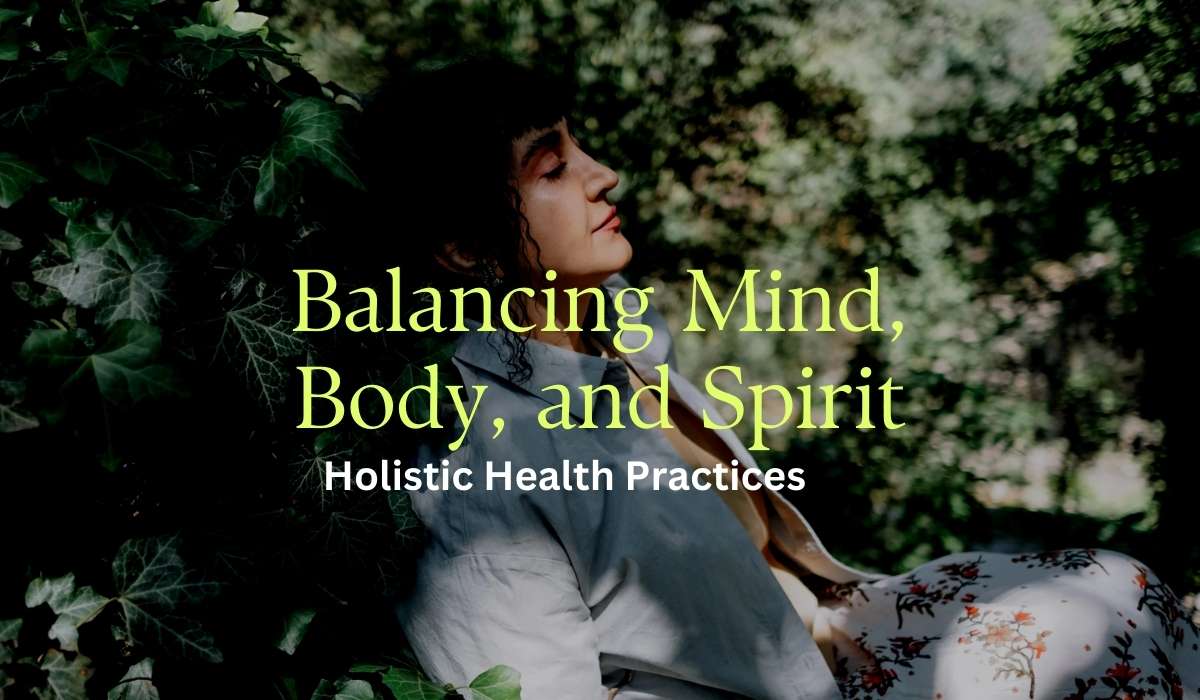
Holistic health is an approach to healthcare that considers the whole person – mind, body, and spirit – in pursuit of optimal wellness. This comprehensive method recognizes the interconnectedness of various aspects of an individual’s health and aims to address all of these elements to achieve true well-being. Holistic health practitioners focus on identifying and treating the root causes of health issues rather than merely alleviating symptoms.
Prevention and self-care are emphasized as key components of maintaining good health. The holistic approach takes into account environmental, lifestyle, and social factors that influence a person’s overall health. It acknowledges that these external elements play a significant role in an individual’s well-being and should be considered in the treatment and prevention of health issues.
Holistic health practices incorporate a diverse range of modalities, including alternative and complementary medicine, natural remedies, and traditional healing practices from various cultures. Some common holistic health practices include acupuncture, herbal medicine, chiropractic care, massage therapy, and energy healing techniques. These methods are often used in conjunction with conventional medical treatments to provide a more comprehensive approach to health care.
A fundamental principle of holistic health is the empowerment of individuals to take an active role in their own health management. This involves making informed decisions about lifestyle choices, diet, and mental and emotional well-being. By encouraging patients to participate in their health journey, holistic practitioners aim to promote long-term wellness and prevent future health issues.
The ultimate goal of holistic health practices is to achieve balance, harmony, and vitality in all aspects of a person’s life. By addressing the physical, mental, emotional, and spiritual components of health, this approach seeks to promote overall well-being and improve quality of life.
Nourishing the mind can involve engaging in activities that promote mental clarity and emotional balance, such as meditation, mindfulness practices, and therapy. It also involves feeding the mind with positive thoughts and beliefs, as well as engaging in activities that stimulate creativity and intellectual growth.
Nourishing the body is about providing it with the nutrients it needs to function optimally. This includes eating a balanced diet rich in whole foods, staying hydrated, getting regular exercise, and getting enough rest. It also involves avoiding toxins and harmful substances that can negatively impact physical health.
Nourishing the spirit is about connecting with something greater than oneself, whether that be through religious or spiritual practices, spending time in nature, or engaging in activities that bring joy and fulfillment. It’s about finding meaning and purpose in life and nurturing the soul.
Mindfulness and meditation are powerful tools for promoting holistic health. Mindfulness involves being fully present in the moment and paying attention to one’s thoughts, feelings, bodily sensations, and the surrounding environment without judgment. It can be practiced through formal meditation sessions or through informal practices such as mindful eating or walking.
Mindfulness has been shown to reduce stress, anxiety, and depression, improve focus and cognitive function, and enhance overall well-being. Meditation is a practice that involves training the mind to achieve a state of deep relaxation and heightened awareness. There are many different forms of meditation, including mindfulness meditation, loving-kindness meditation, and transcendental meditation, among others.
Regular meditation practice has been linked to numerous health benefits, including reduced blood pressure, improved immune function, and enhanced emotional regulation. It can also help individuals develop a greater sense of self-awareness and compassion for themselves and others.
| Category | Data/Metrics |
|---|---|
| Physical Activity | Number of steps per day |
| Physical Activity | Minutes of exercise per week |
| Nutrition | Calories consumed per day |
| Nutrition | Servings of fruits and vegetables per day |
Physical activity and nutrition are fundamental components of holistic health. Regular exercise is essential for maintaining physical fitness, supporting cardiovascular health, improving mood, and reducing the risk of chronic diseases. It can also help manage stress and promote better sleep.
Holistic health encourages individuals to find forms of exercise that they enjoy and that align with their body’s needs, whether that be yoga, hiking, dancing, or weight training. Nutrition is equally important for overall well-being. A balanced diet rich in fruits, vegetables, whole grains, lean proteins, and healthy fats provides the body with the nutrients it needs to function optimally.
It’s also important to stay hydrated and to avoid processed foods high in sugar, unhealthy fats, and artificial additives. Holistic health emphasizes mindful eating, which involves paying attention to hunger cues, eating slowly, and savoring each bite. It also encourages individuals to listen to their body’s signals and eat intuitively rather than following strict diet rules.
Connecting with nature and the environment is an integral part of holistic health. Spending time outdoors has been shown to reduce stress, improve mood, boost immune function, and enhance overall well-being. Whether it’s going for a hike in the mountains, swimming in the ocean, or simply taking a walk in a local park, being in nature can have profound effects on mental and physical health.
It can also foster a sense of connection with the natural world and promote environmental stewardship. Holistic health practices also emphasize the importance of living in harmony with the environment. This includes reducing one’s carbon footprint, conserving natural resources, supporting sustainable practices, and minimizing exposure to environmental toxins.
It also involves cultivating a sense of gratitude for the earth’s gifts and recognizing the interconnectedness of all living beings. By fostering a deep connection with nature and taking steps to protect the environment, individuals can promote their own well-being as well as that of the planet.
Emotional well-being can be supported through practices such as therapy, journaling, creative expression, and self-care activities that bring joy and relaxation.
Social well-being is about building strong connections with others and contributing to a supportive community. This can involve spending quality time with friends and family, volunteering for a cause one cares about, or participating in group activities or support groups.
Social support has been shown to have a significant impact on mental health and overall well-being. By cultivating emotional intelligence and nurturing meaningful relationships with others, individuals can enhance their holistic health.
Integrating holistic health into daily life involves making conscious choices that support overall well-being. This can include setting aside time for self-care activities such as meditation or exercise, prioritizing healthy eating habits, practicing mindfulness throughout the day, and seeking out natural remedies for common ailments. It also involves creating a balanced lifestyle that allows for rest, relaxation, social connection, and time spent in nature.
Incorporating holistic health into daily life also means being mindful of one’s thoughts and beliefs and cultivating a positive mindset. This can involve practicing gratitude, affirmations, or visualization techniques that promote optimism and resilience. It also means being open to alternative healing modalities that support holistic health practices such as acupuncture or energy healing.
By making holistic health a priority in daily life, individuals can experience greater vitality, resilience, and overall well-being.
If you’re interested in holistic health practices, you may also want to check out this article on how to look younger naturally. It provides tips and guidance on maintaining a youthful appearance through natural means, which aligns with the holistic approach to health and wellness.


Leave A Comment